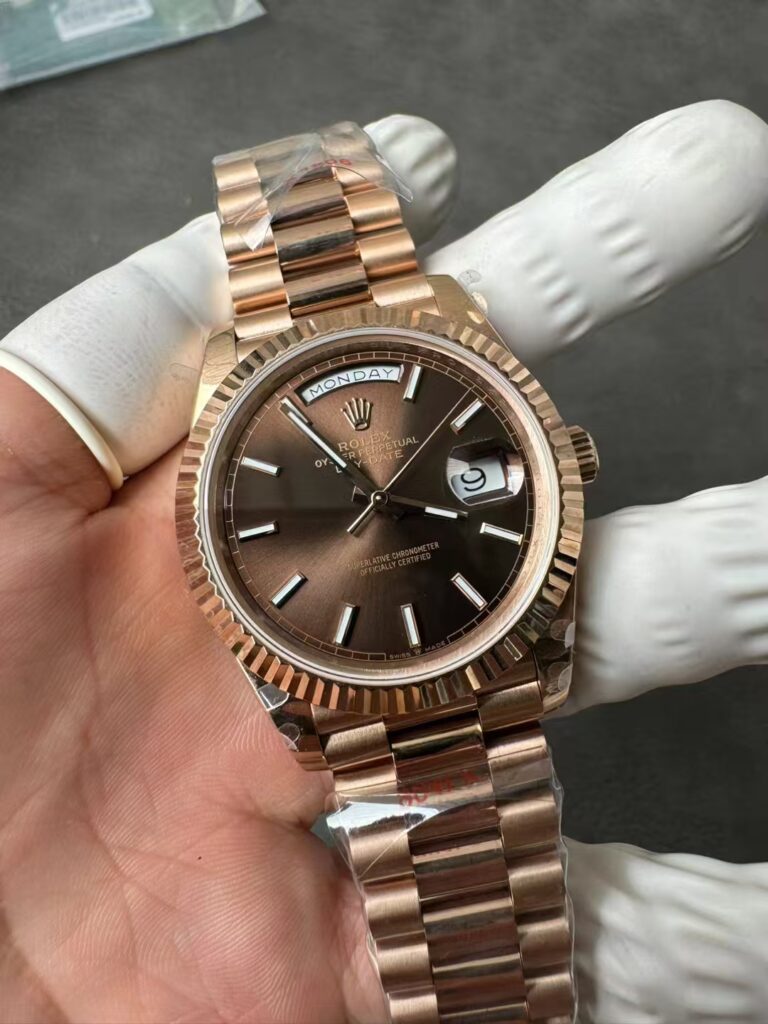
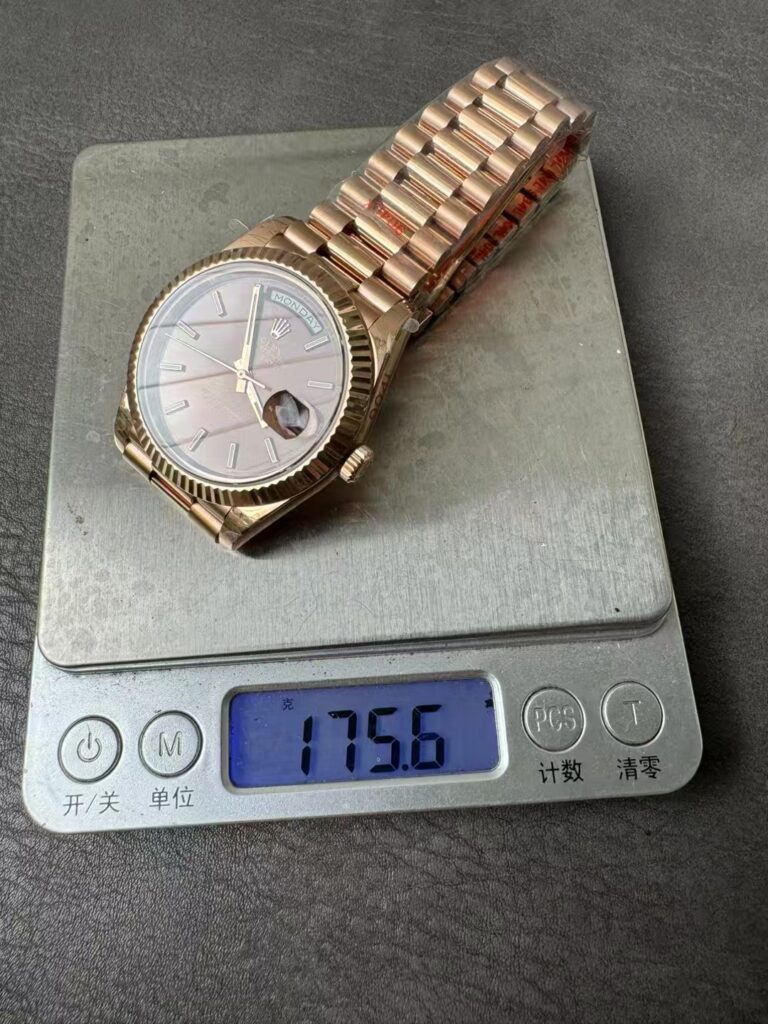
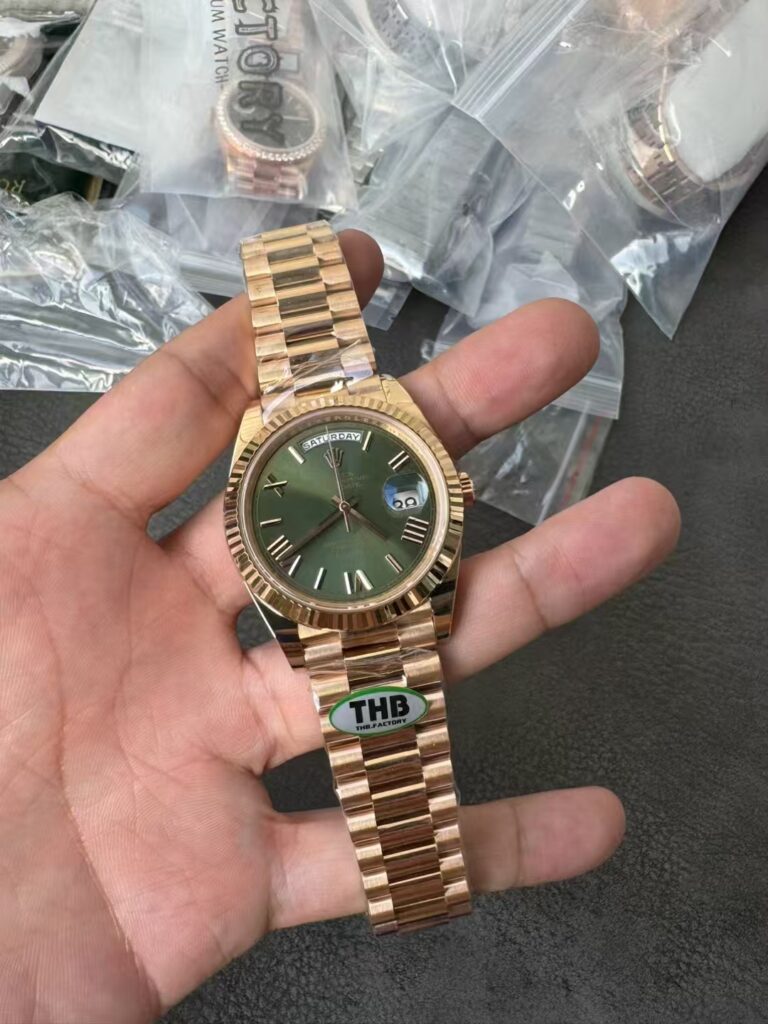
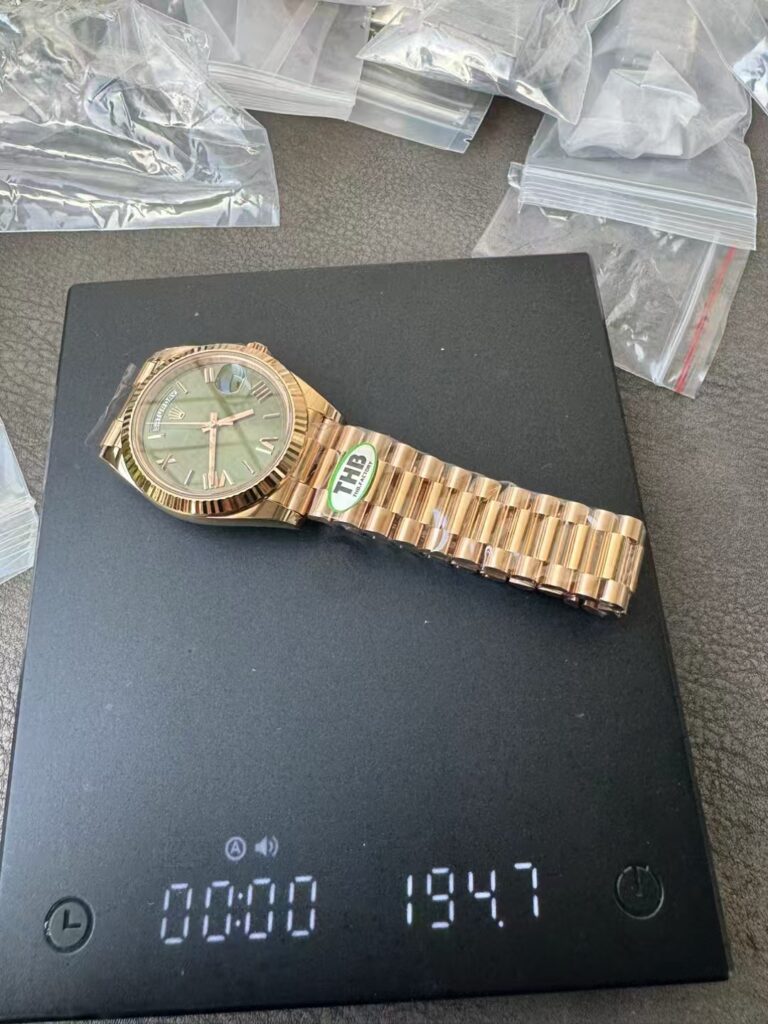
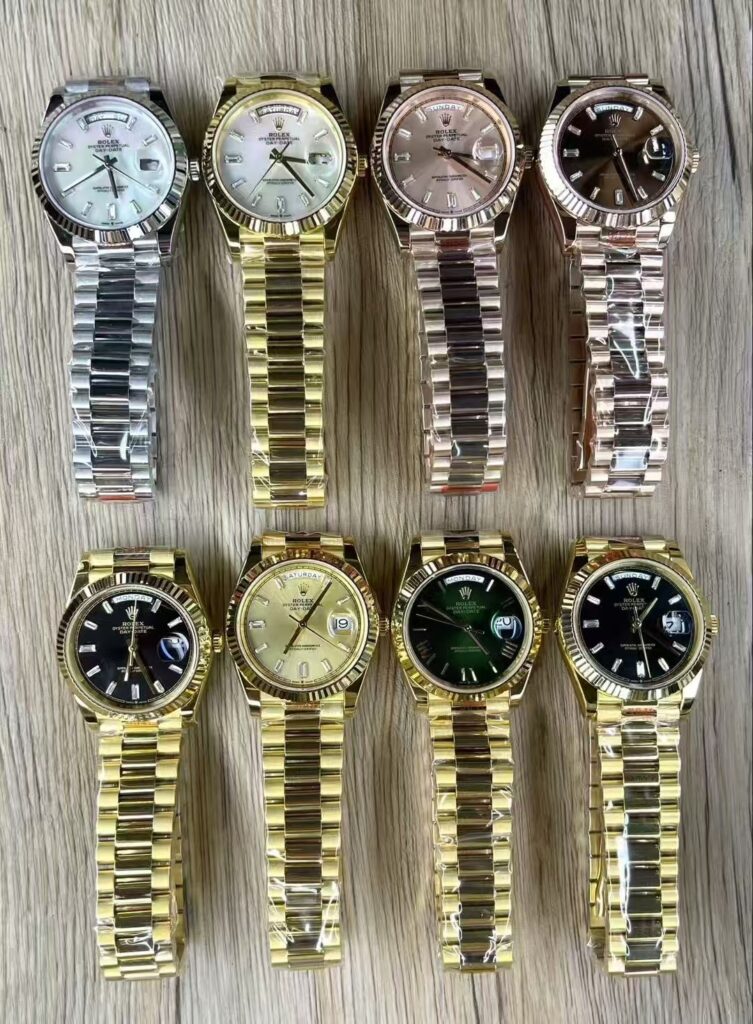
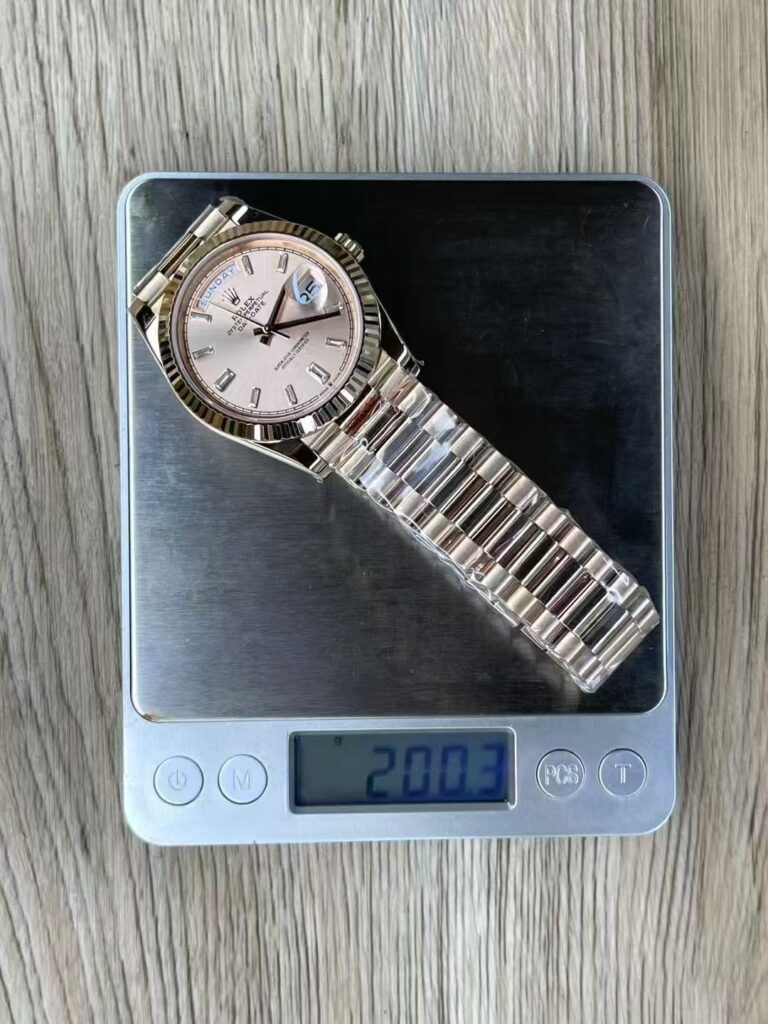
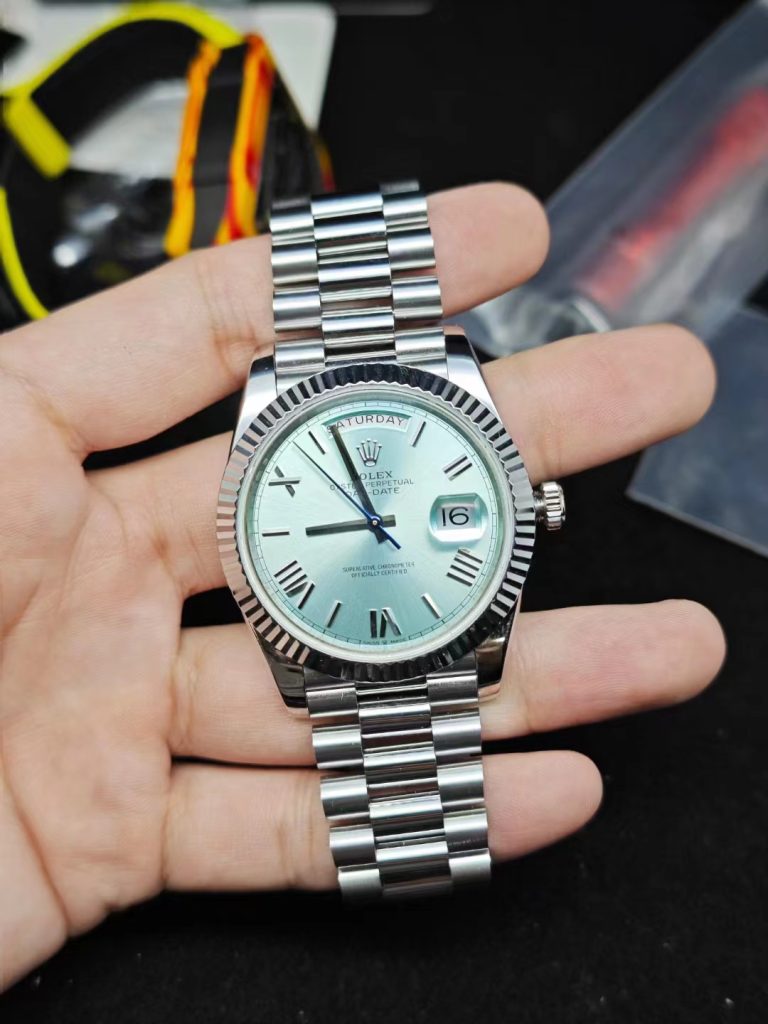
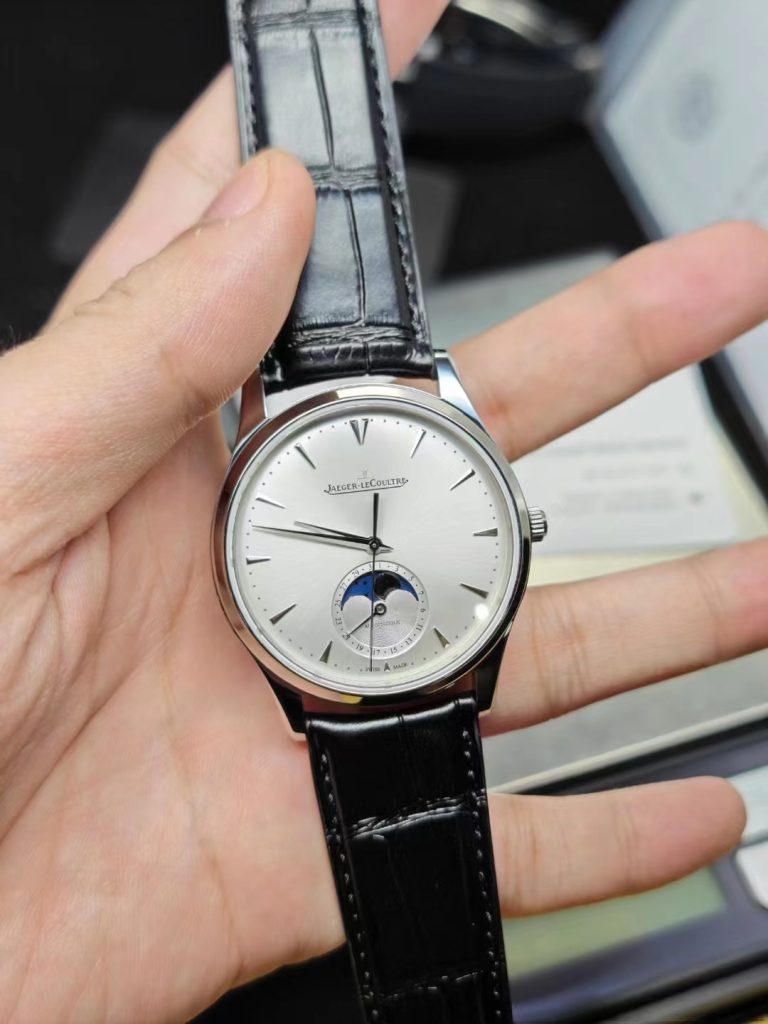
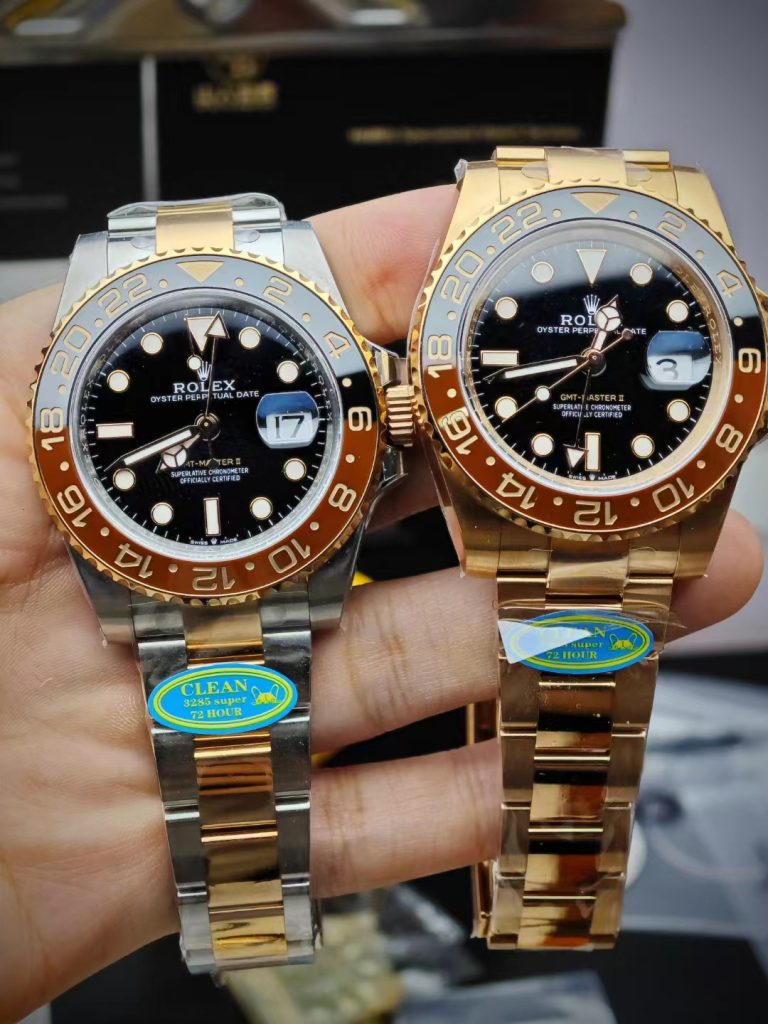
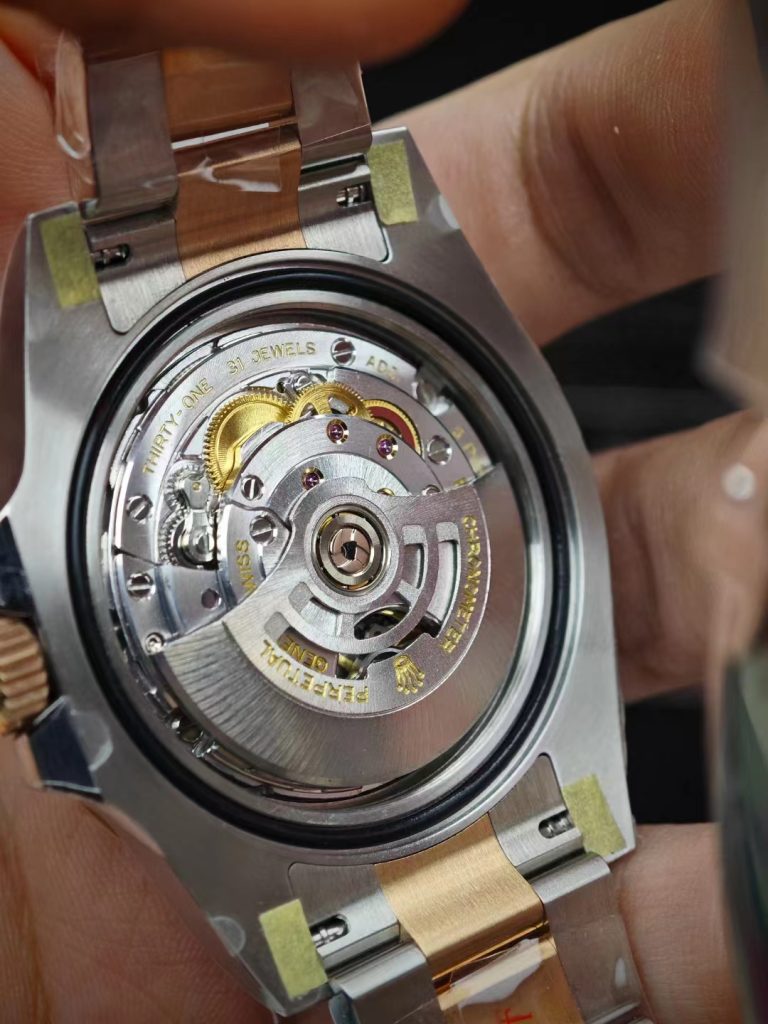
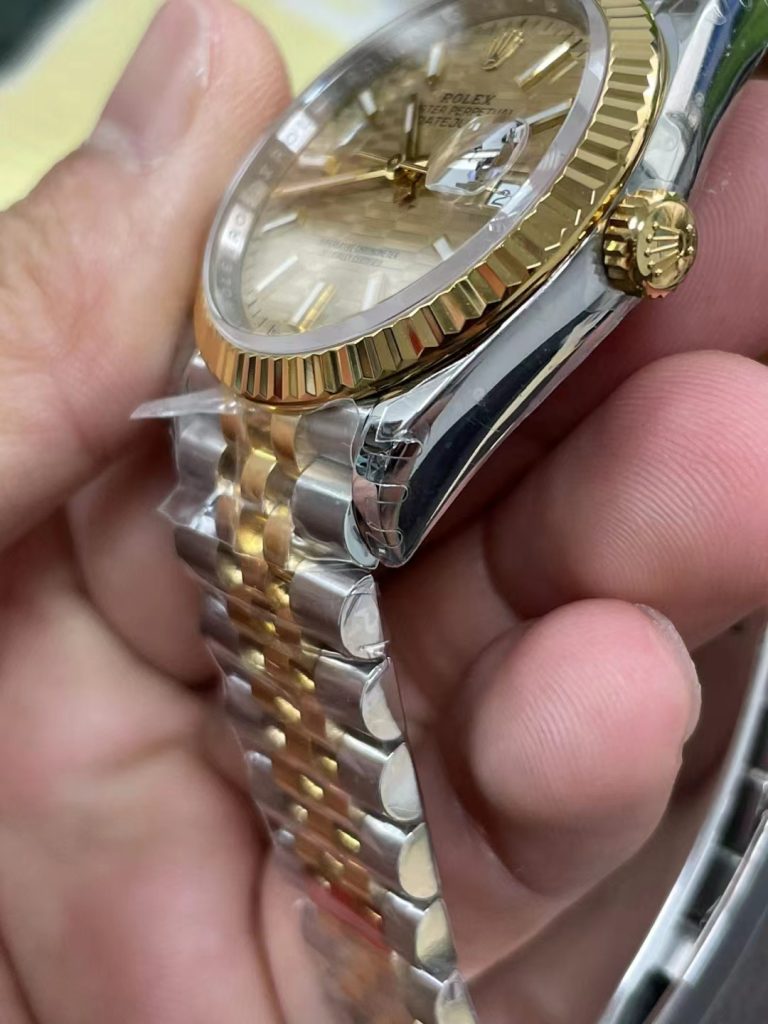
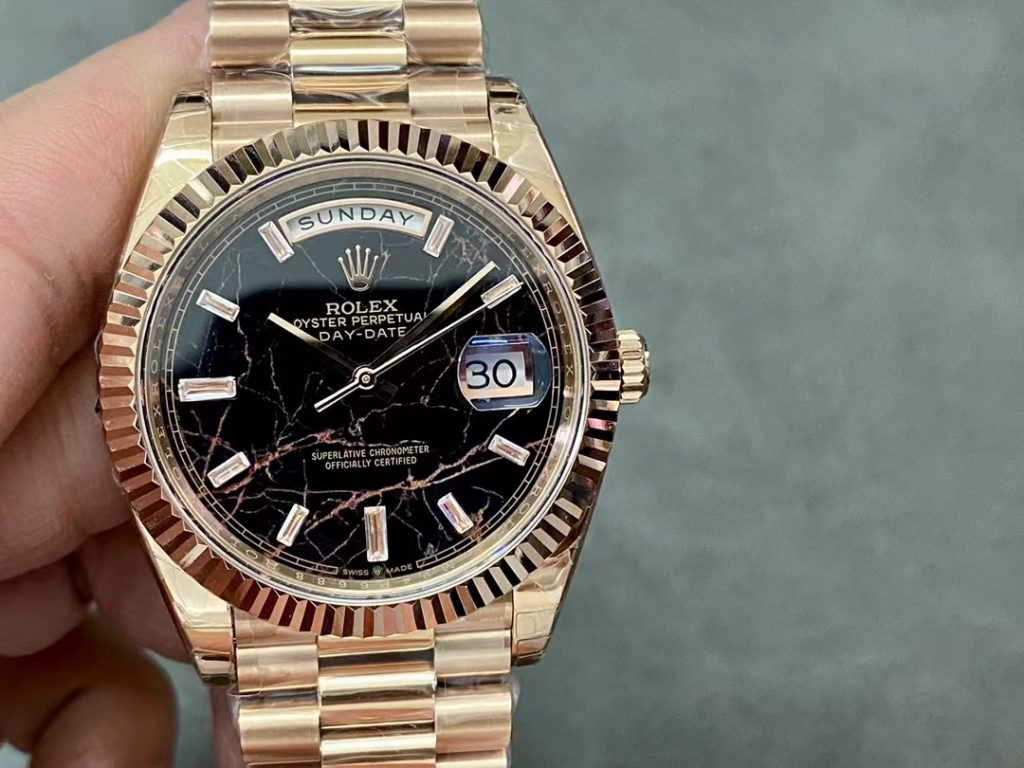
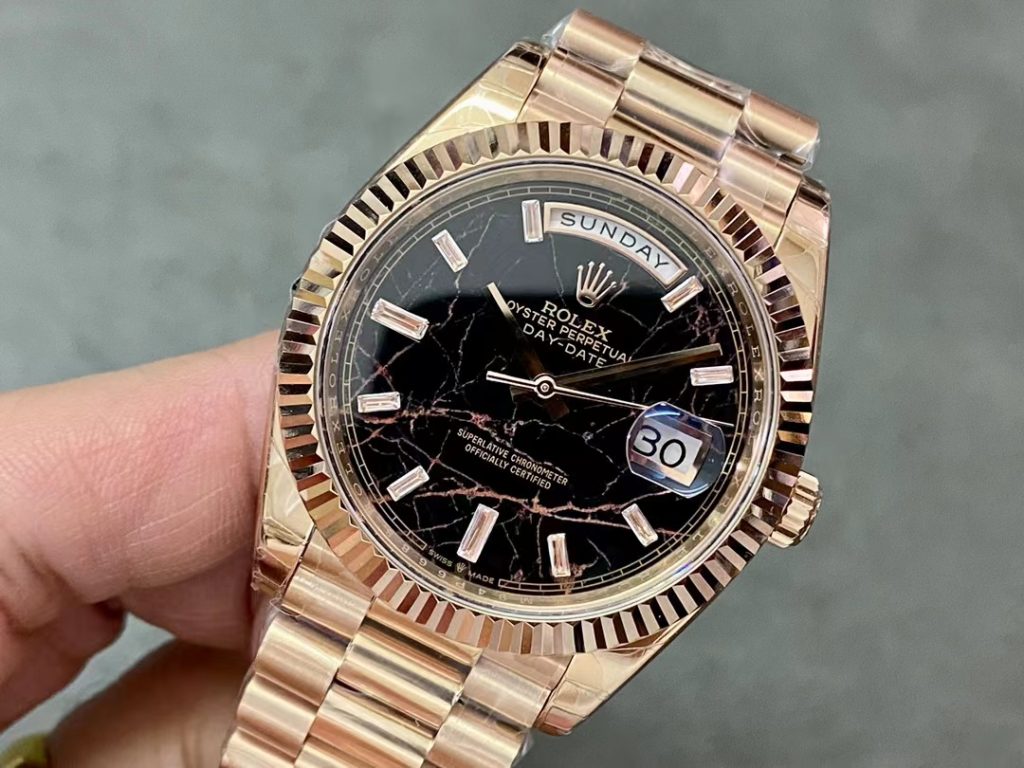
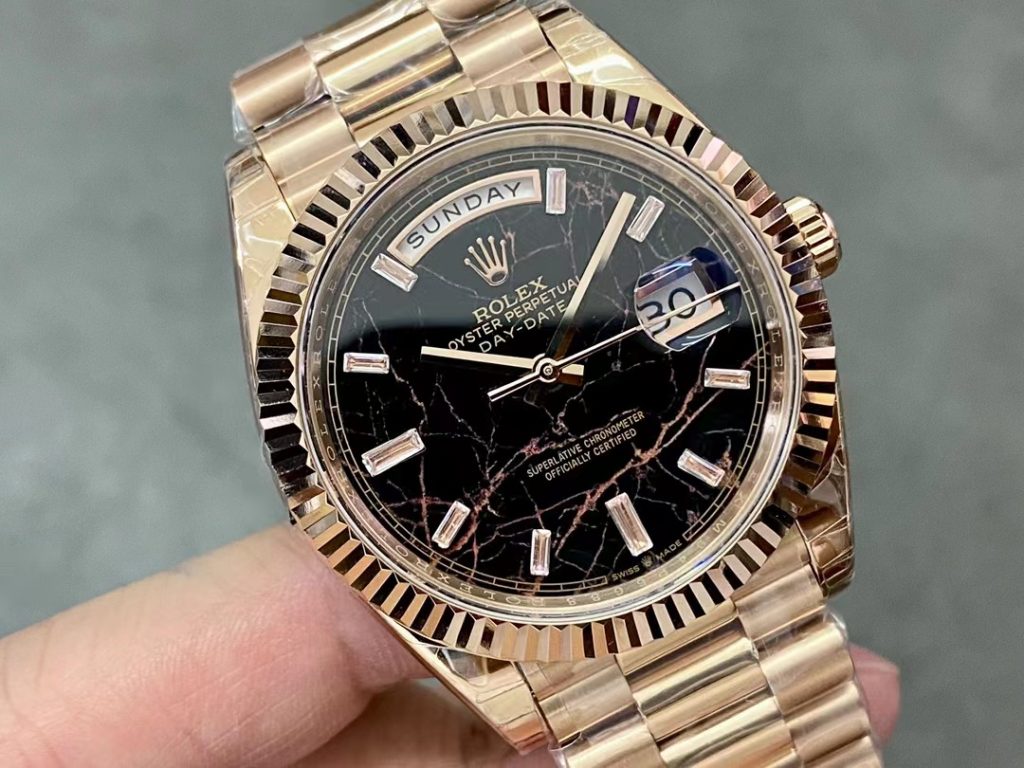
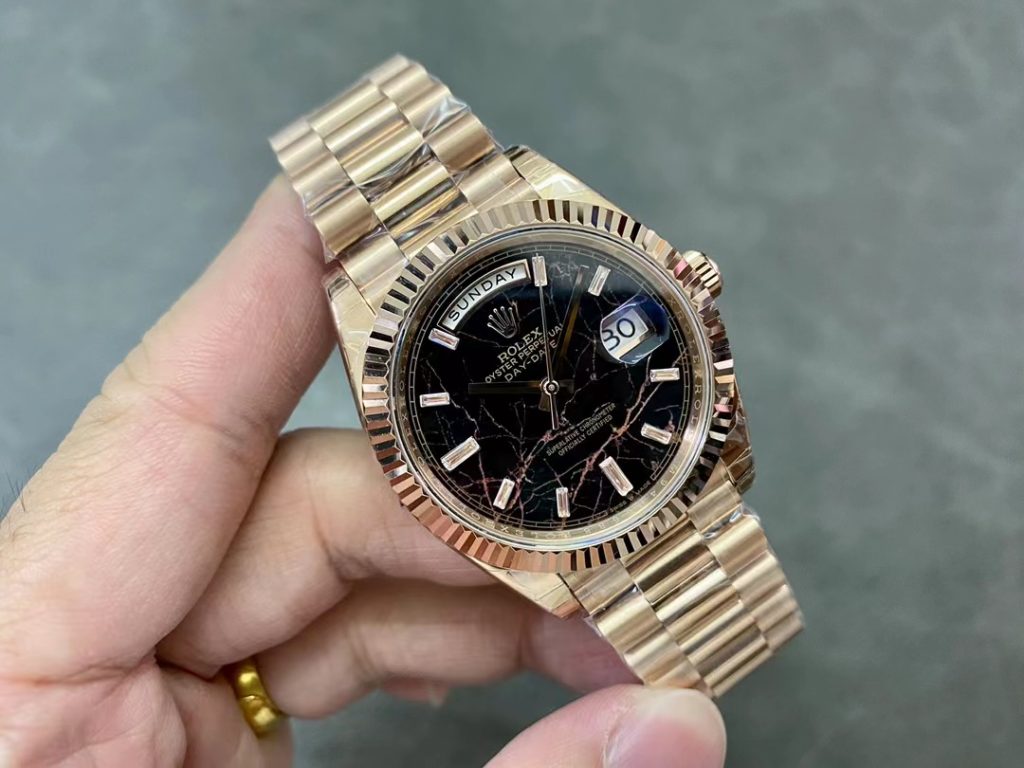
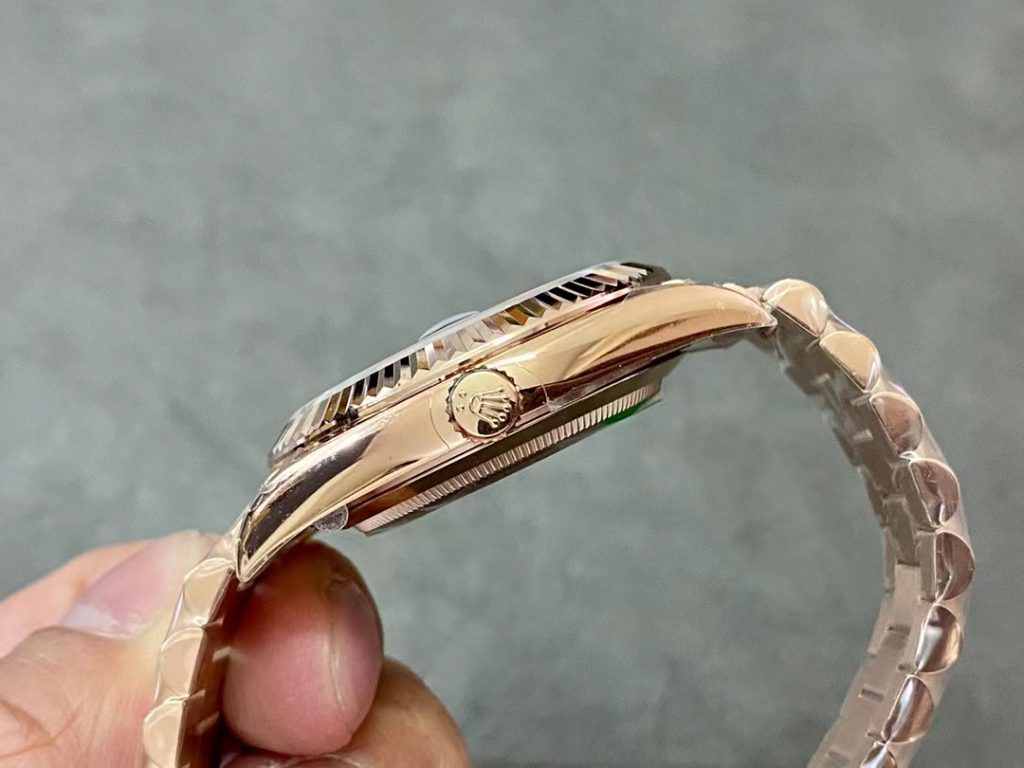
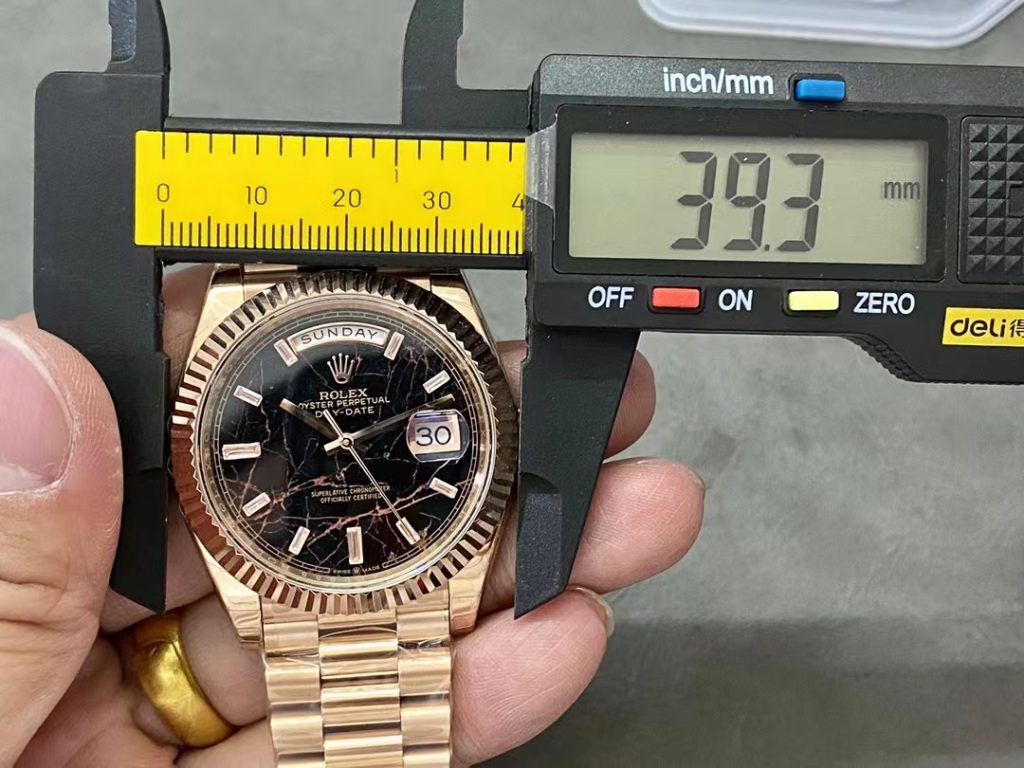
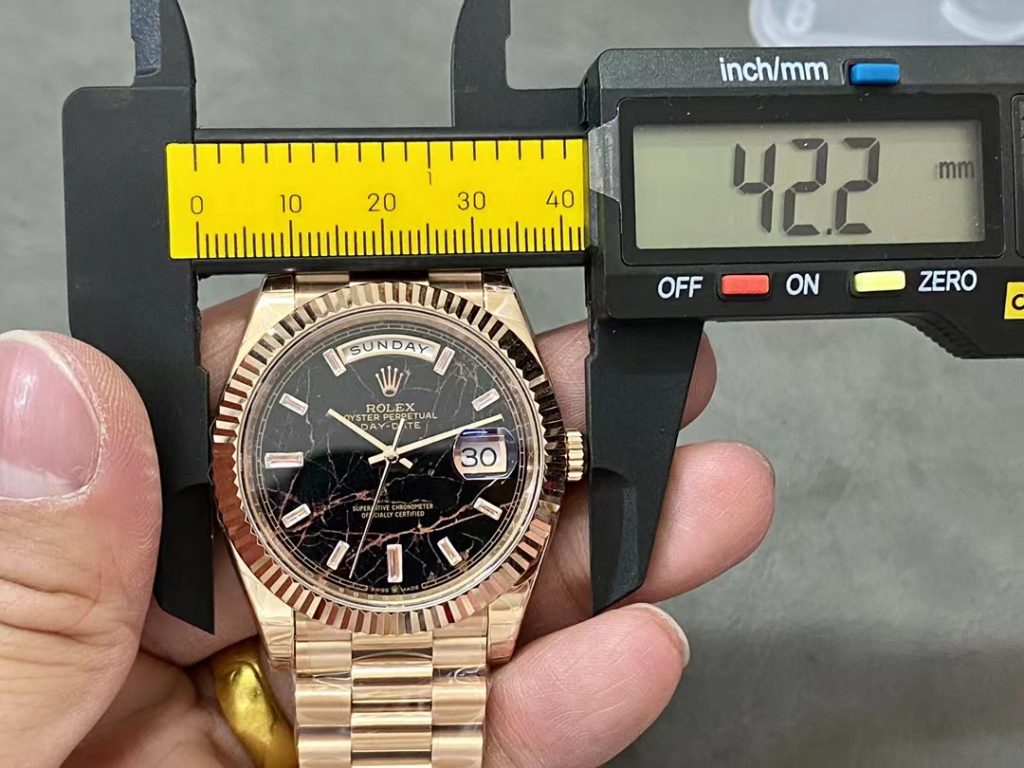
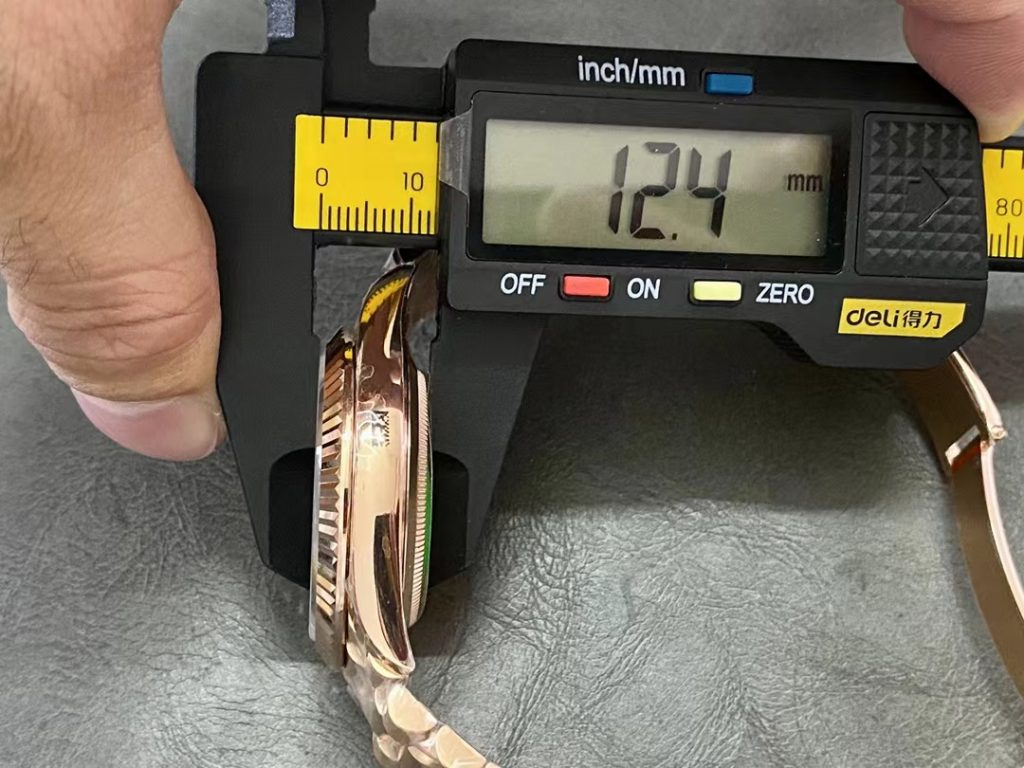
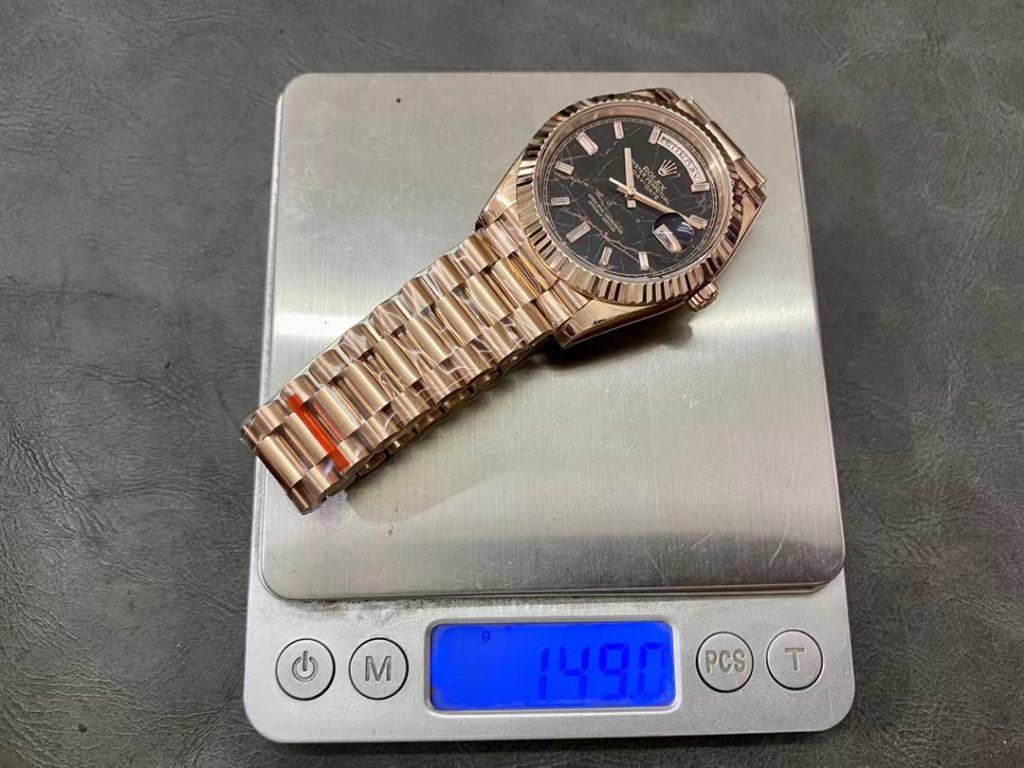
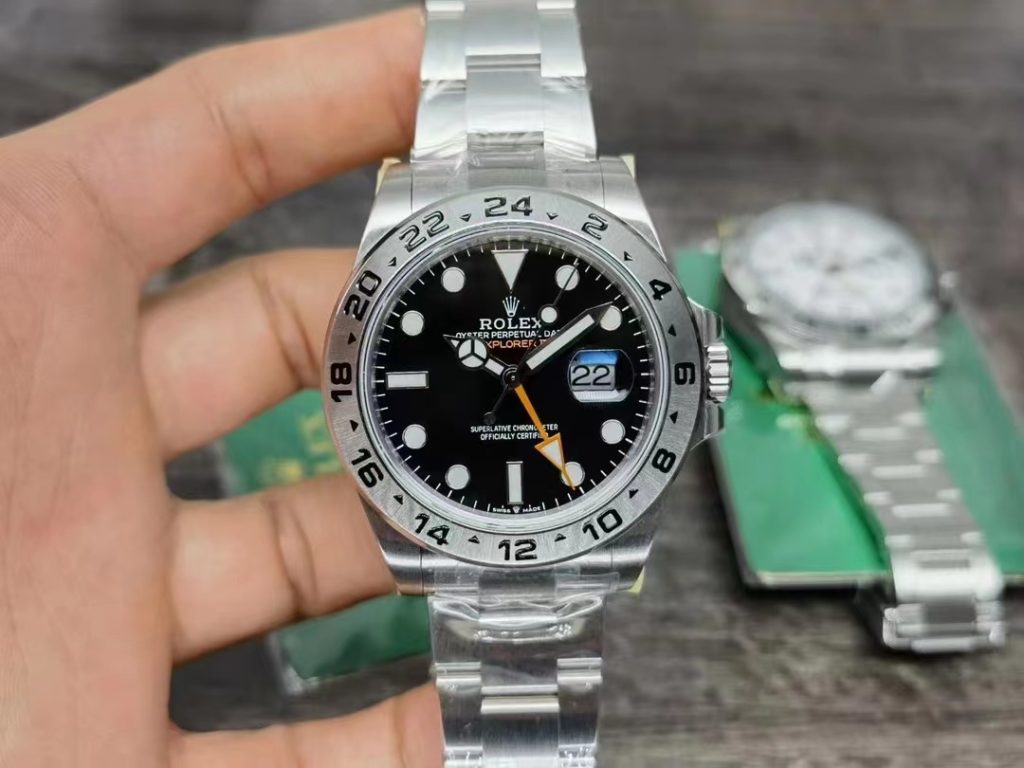
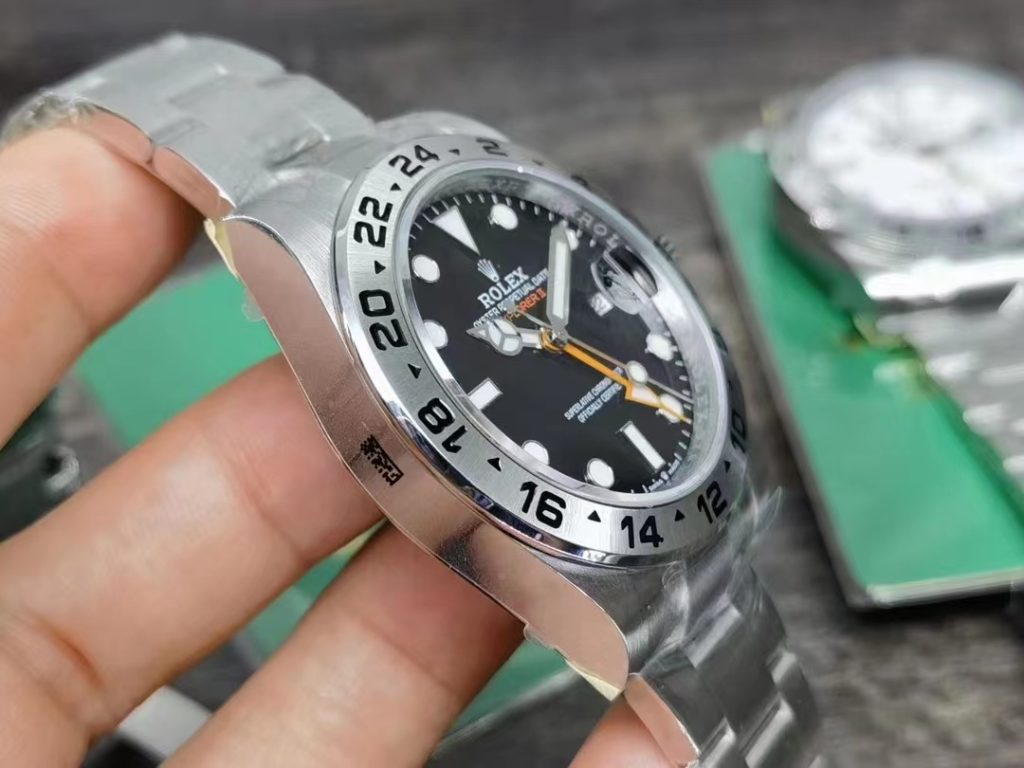
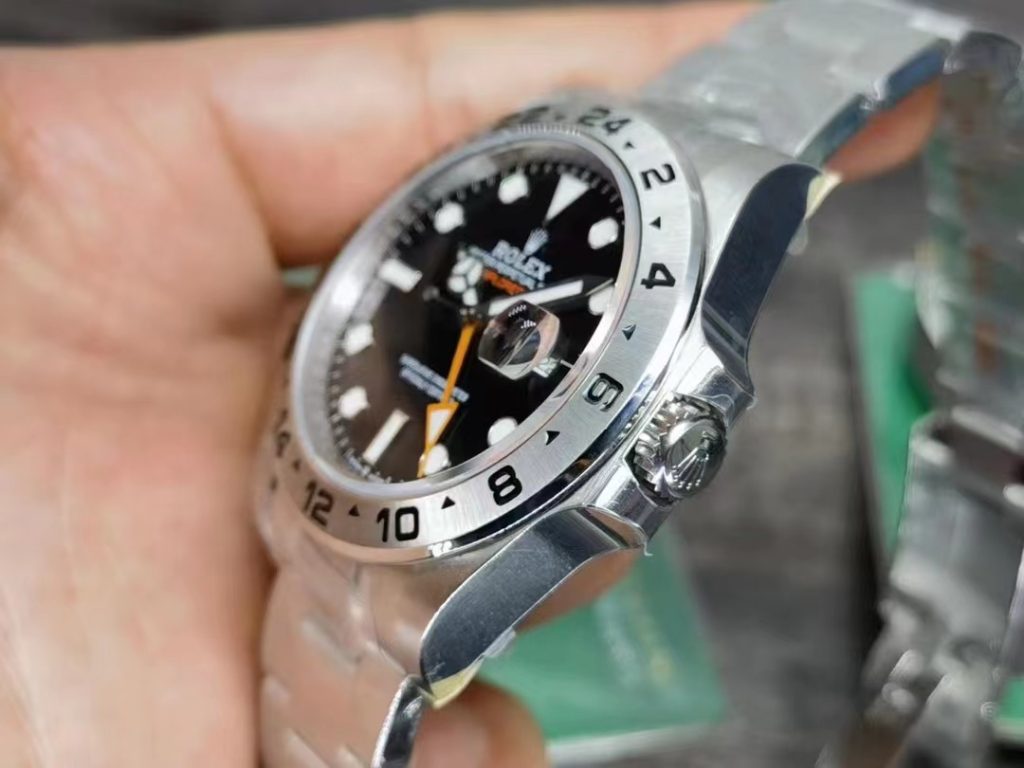
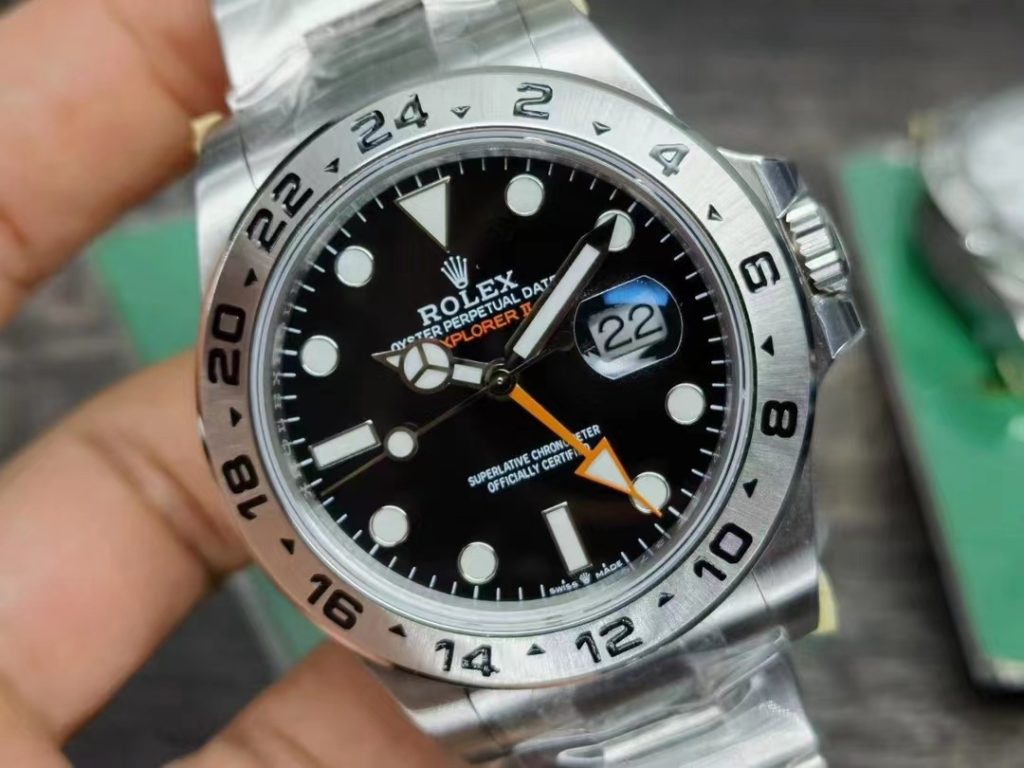
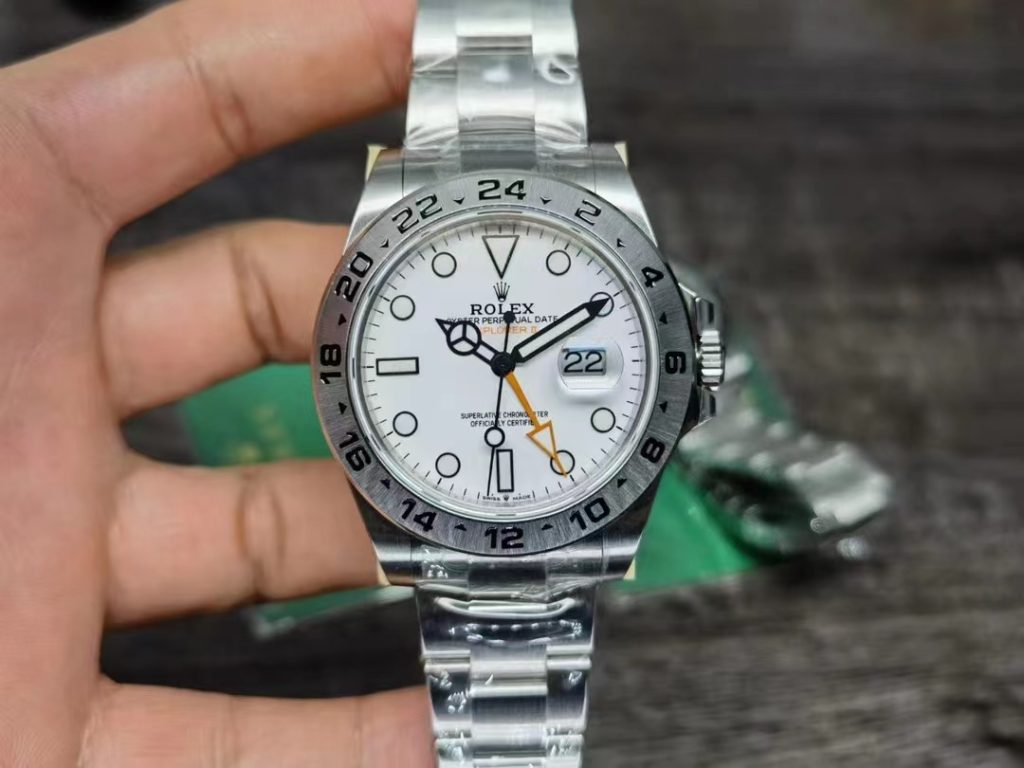
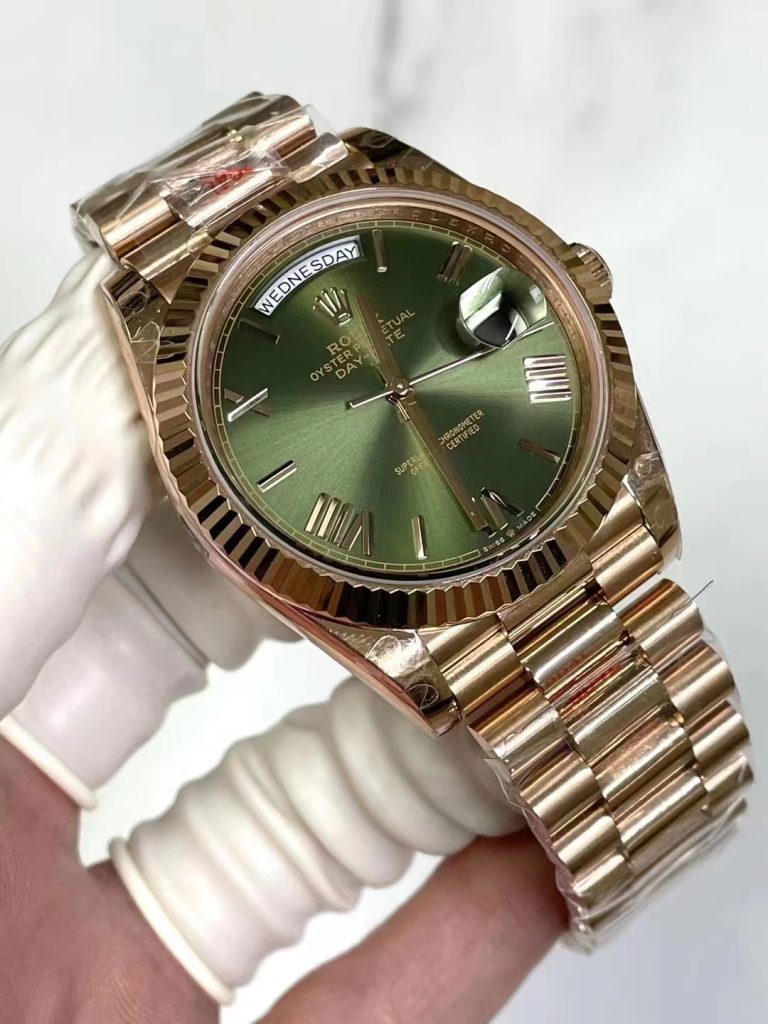
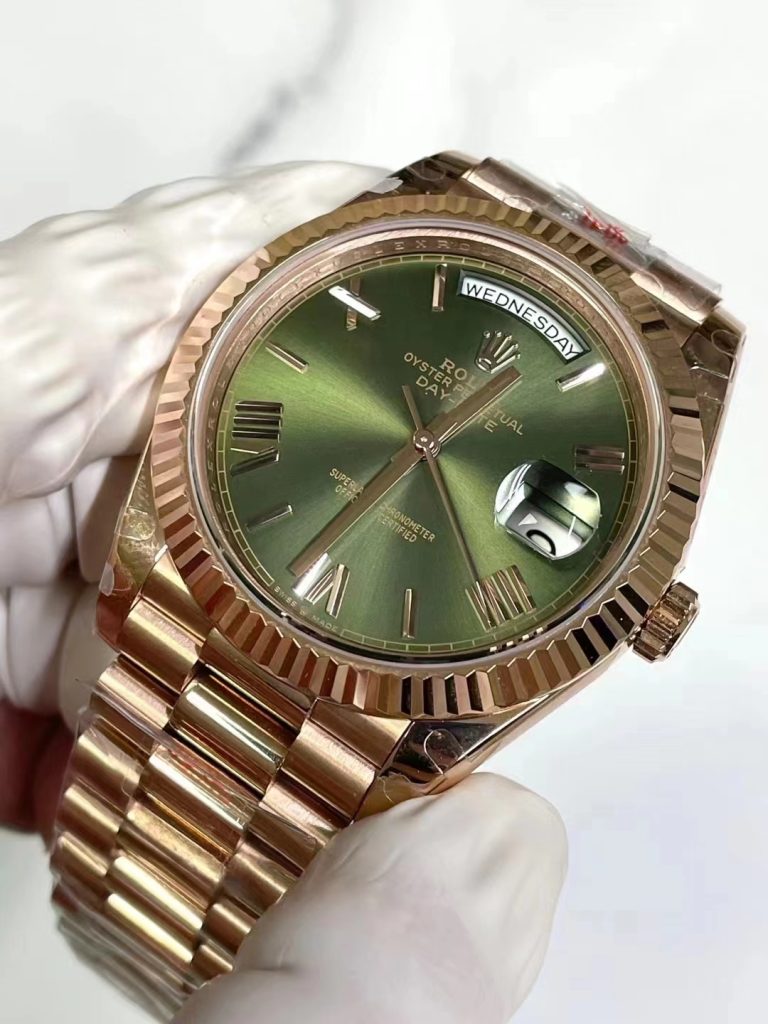
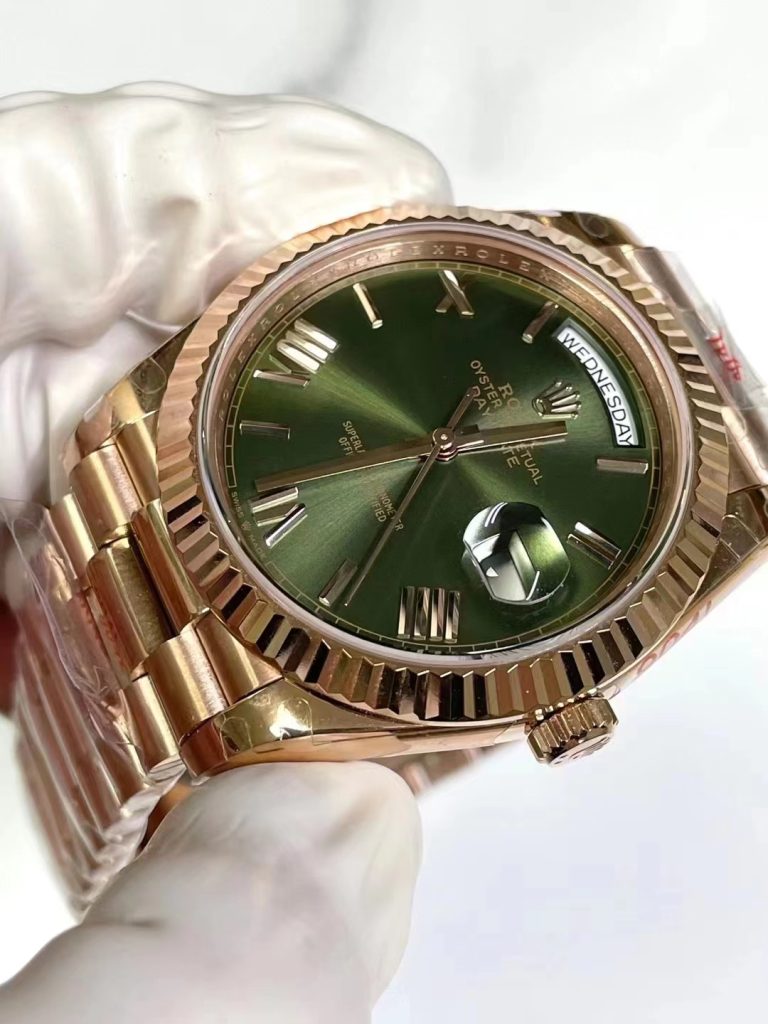
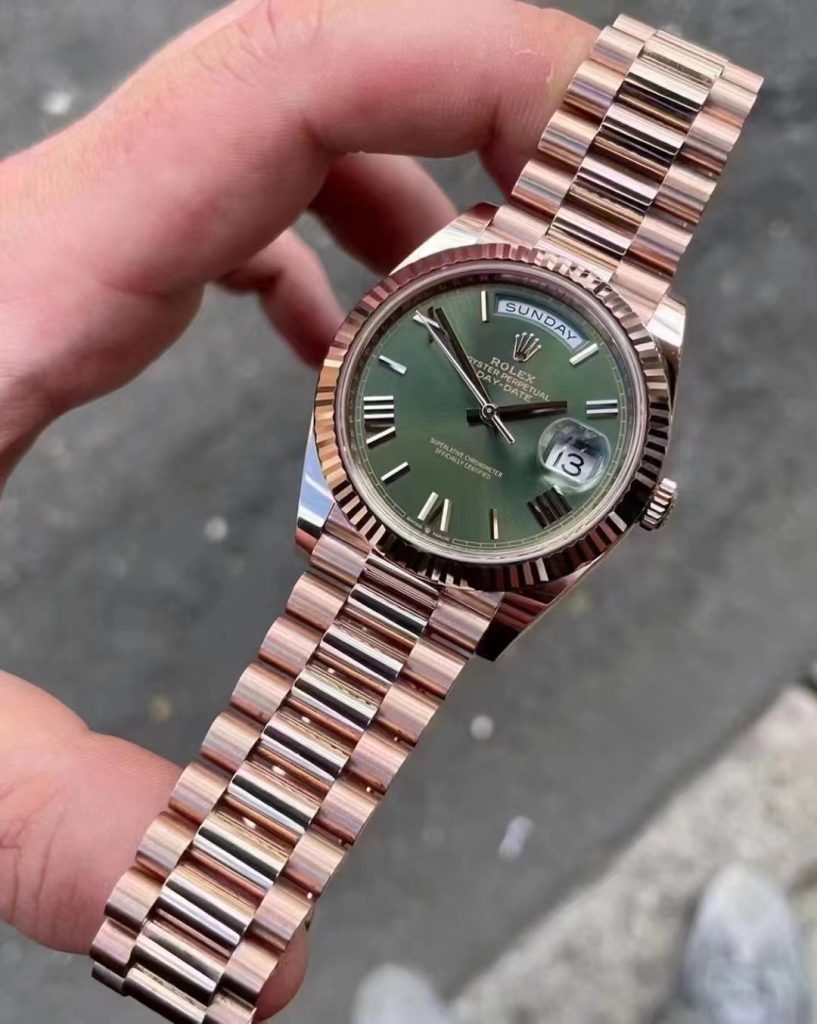
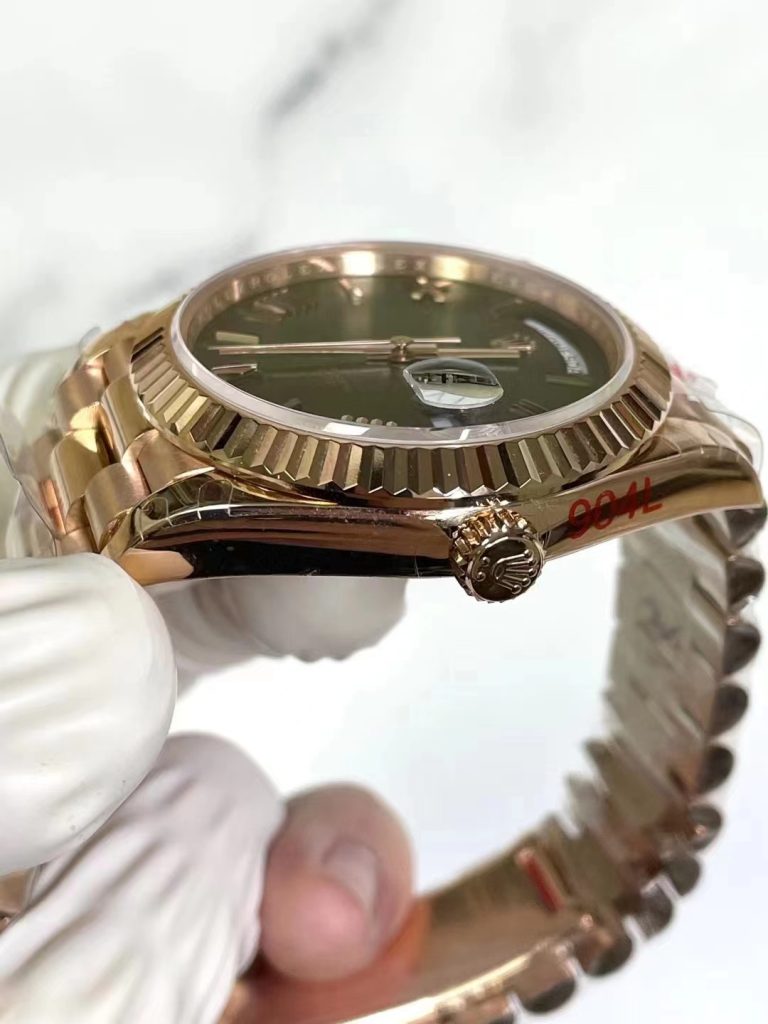
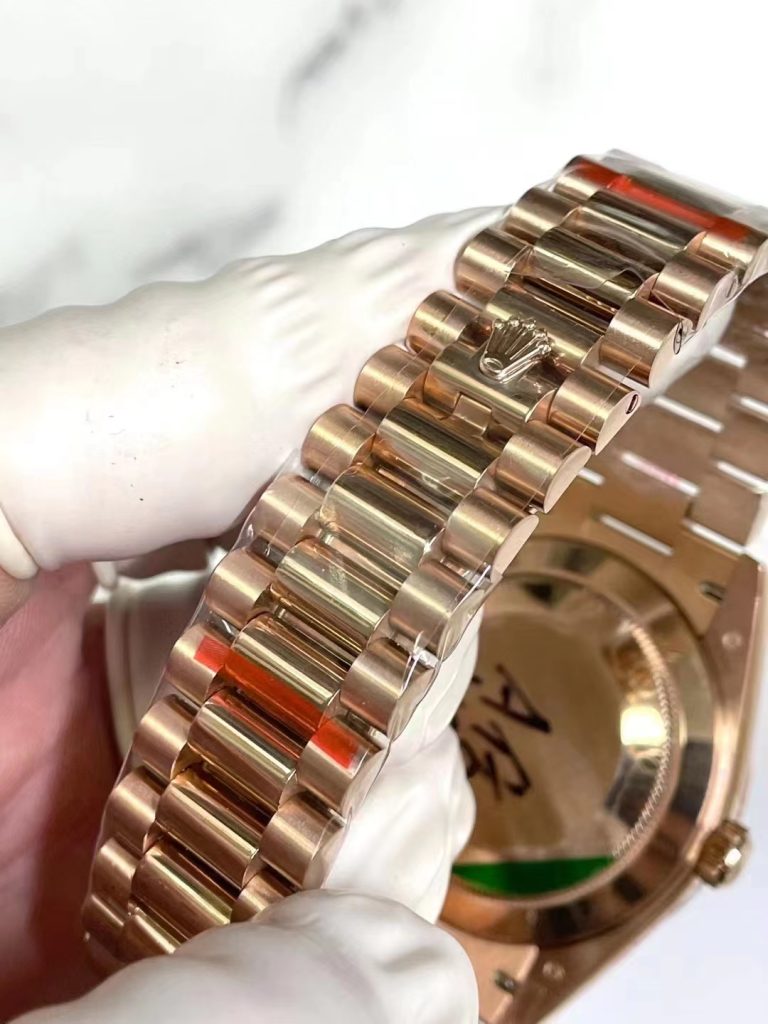
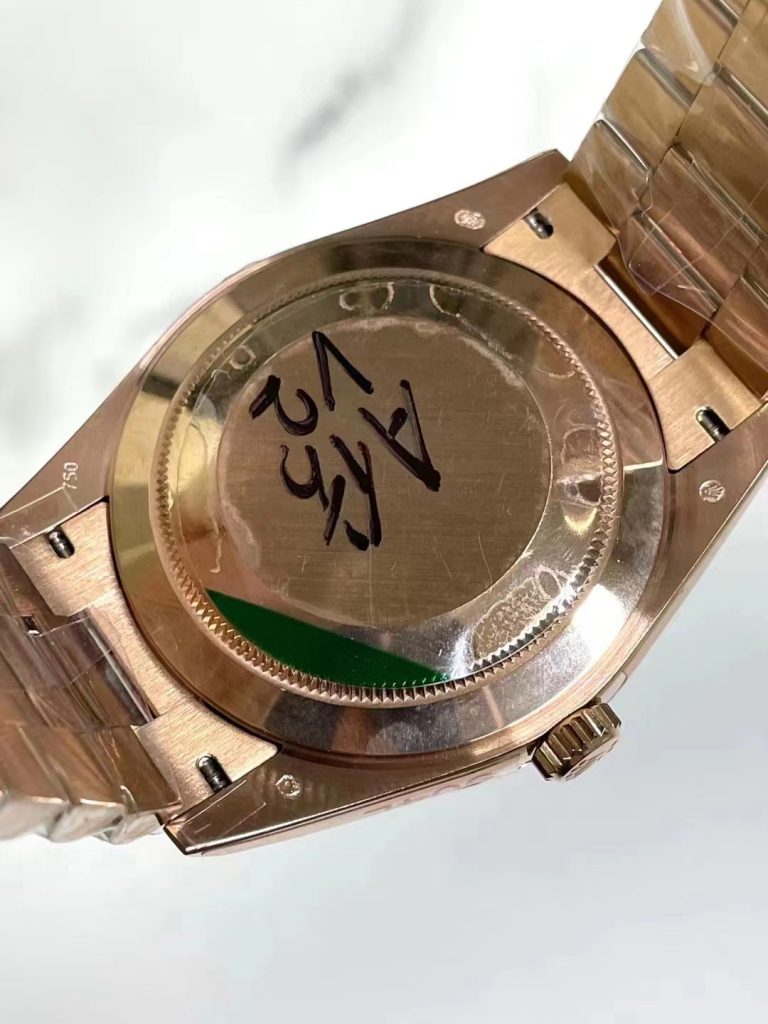
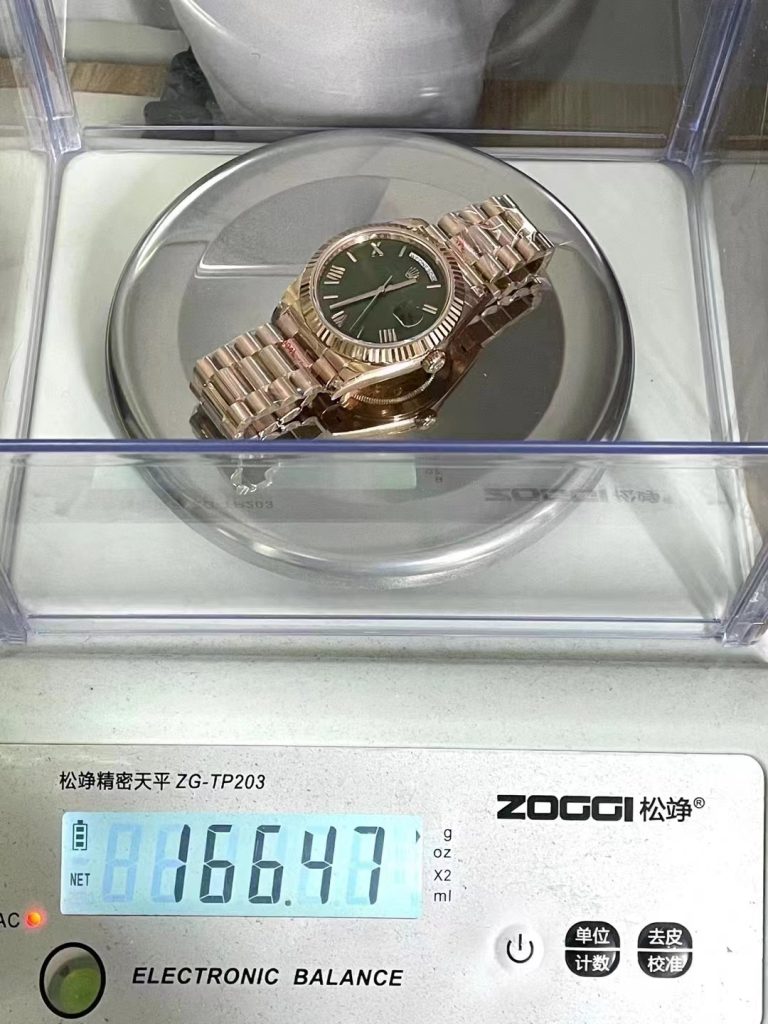
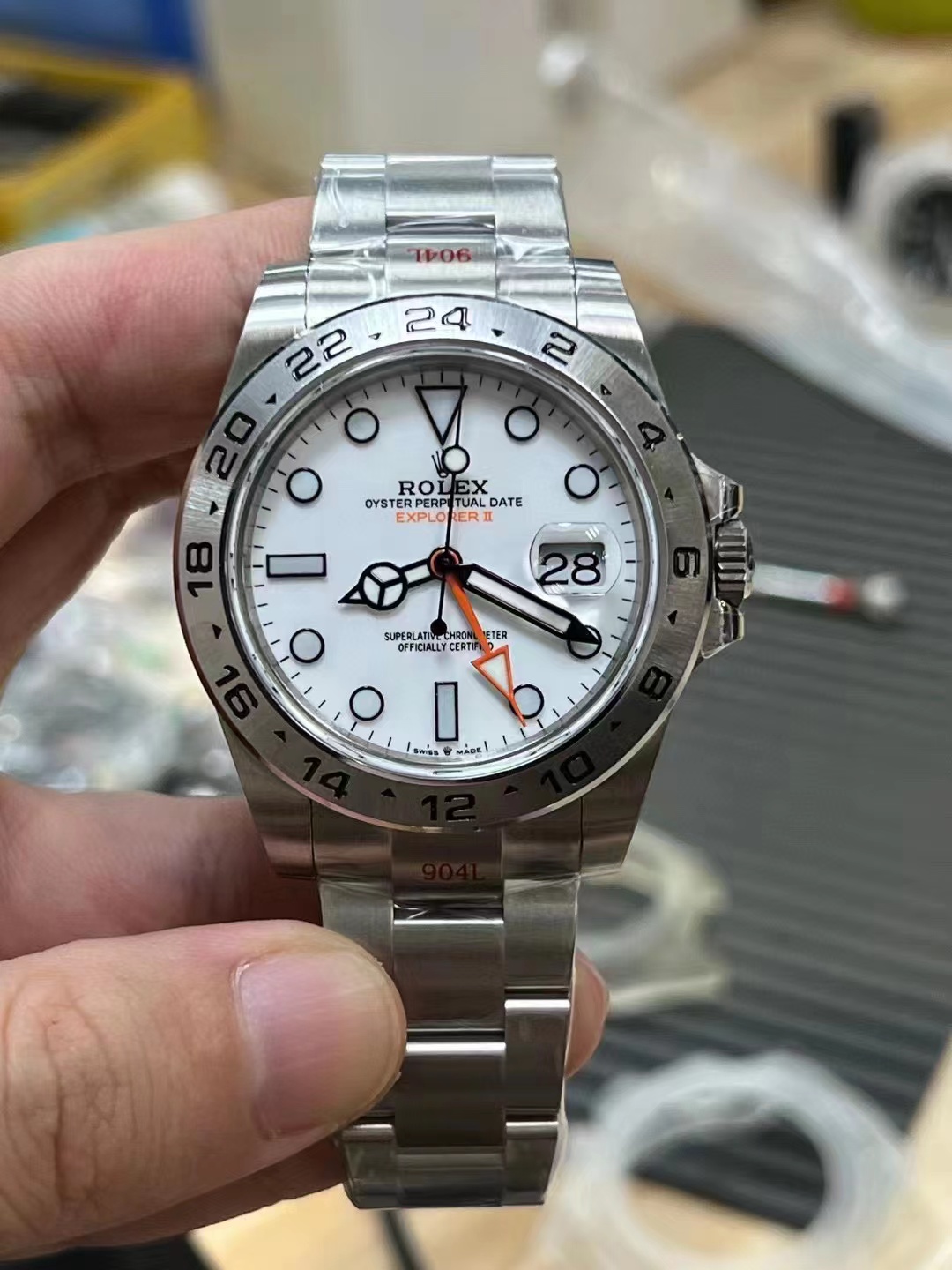
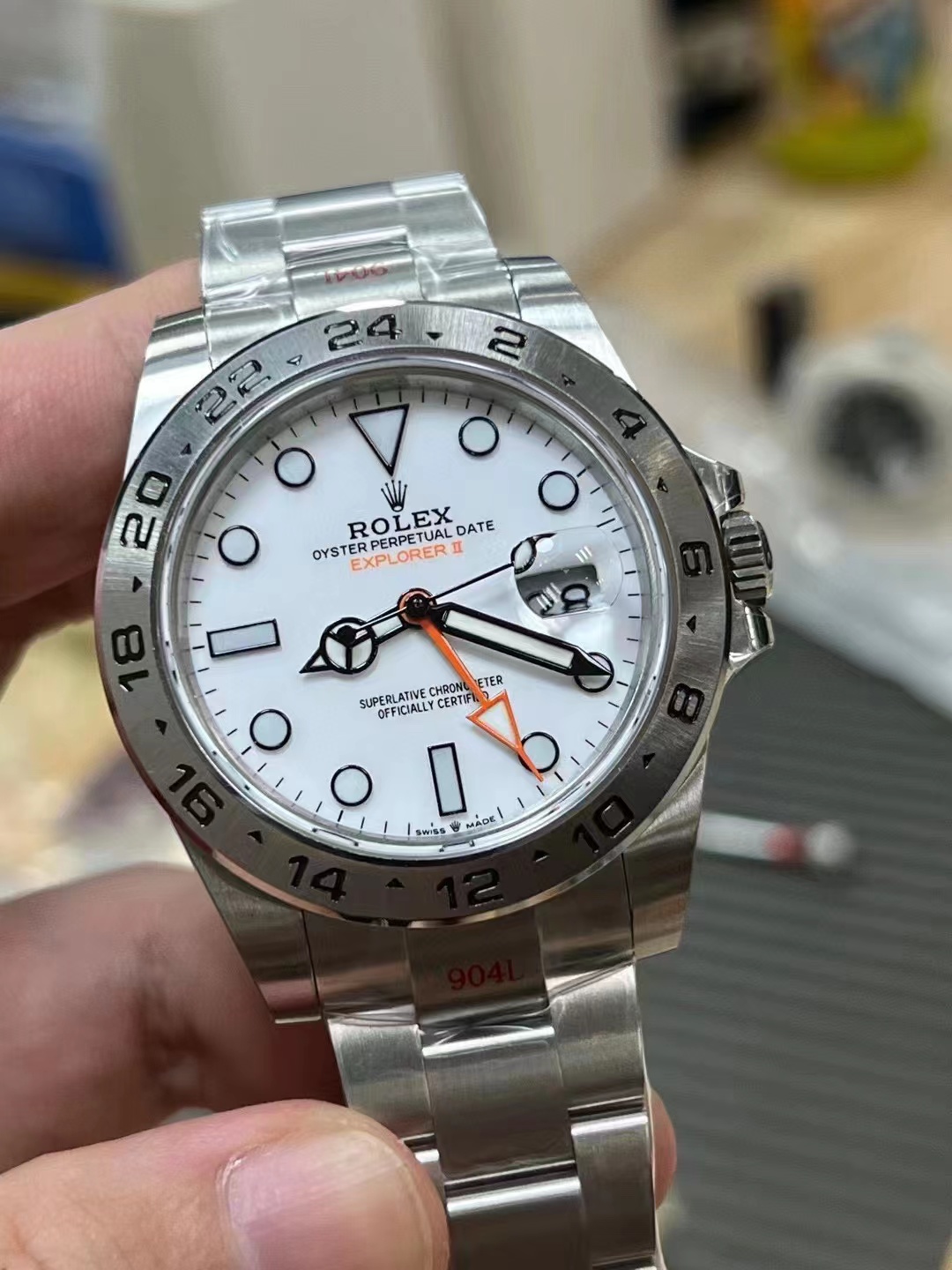
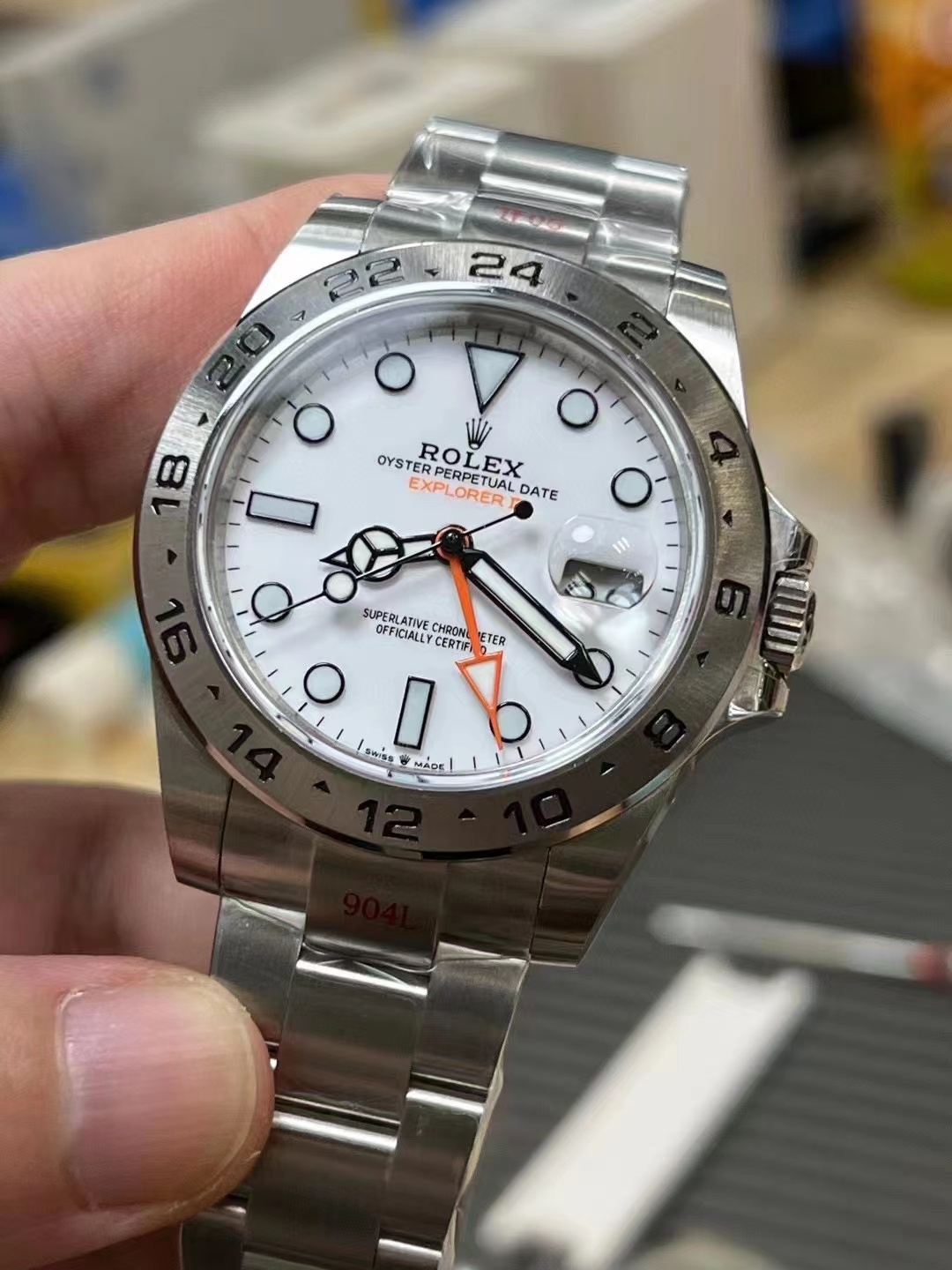
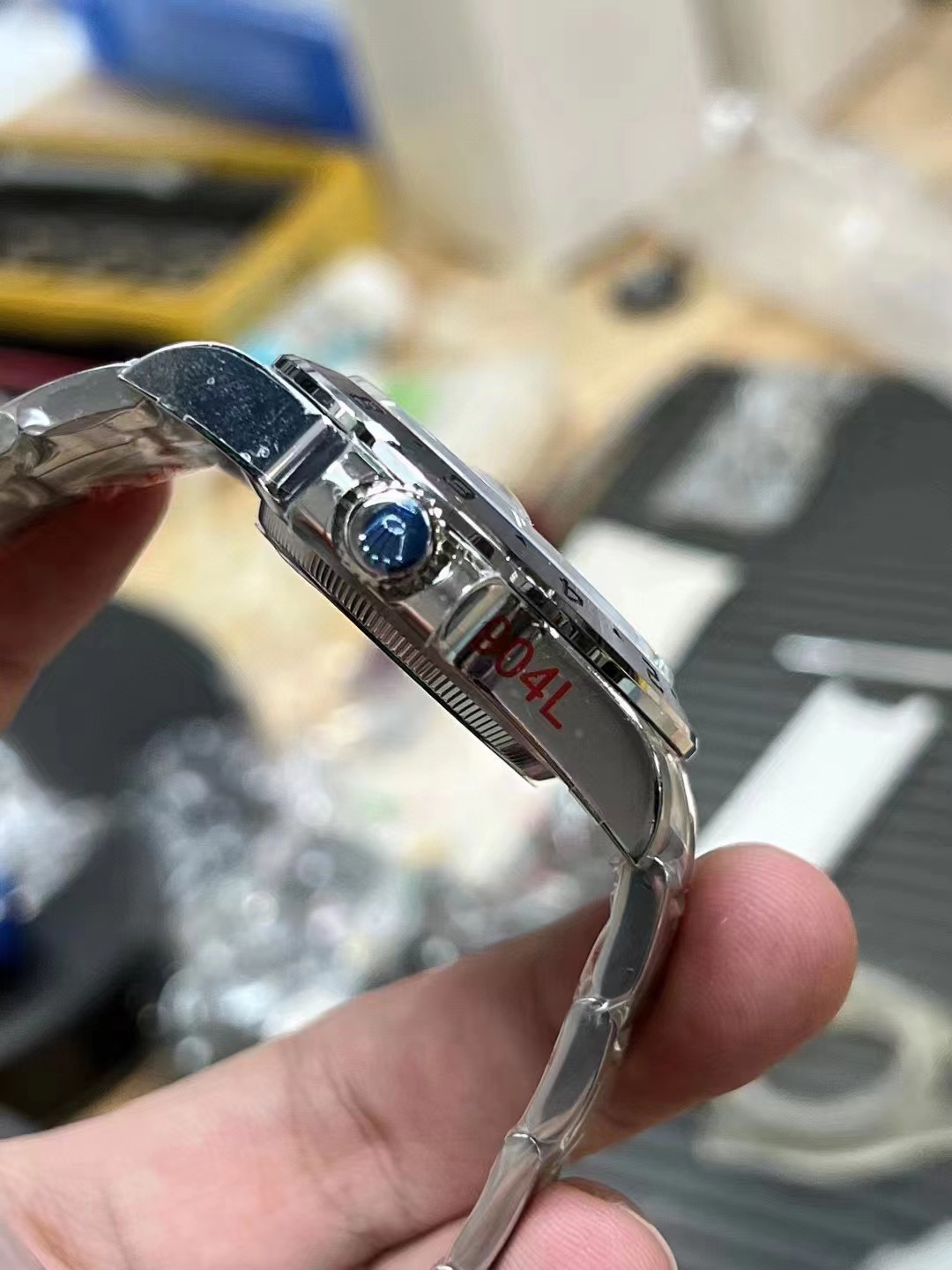
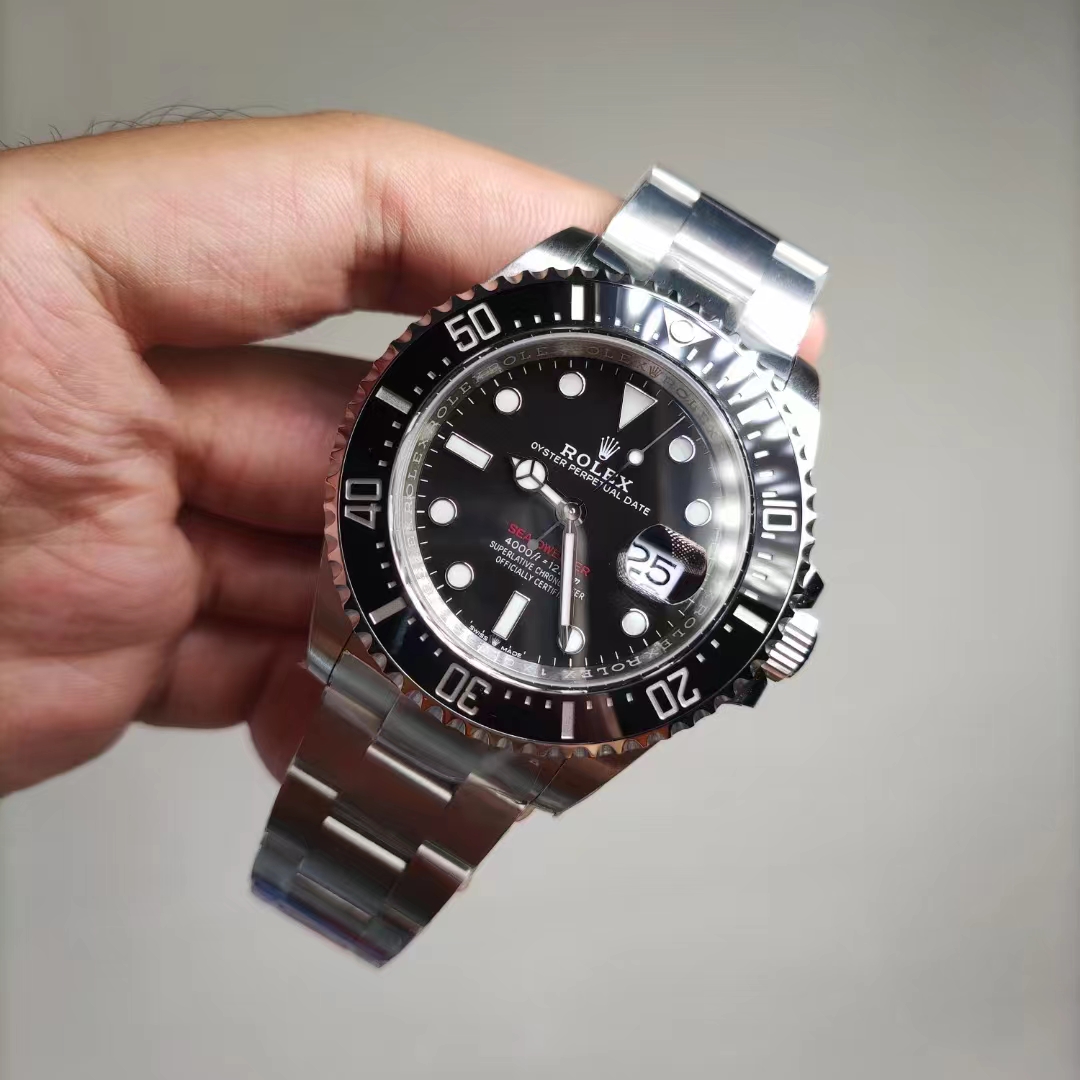
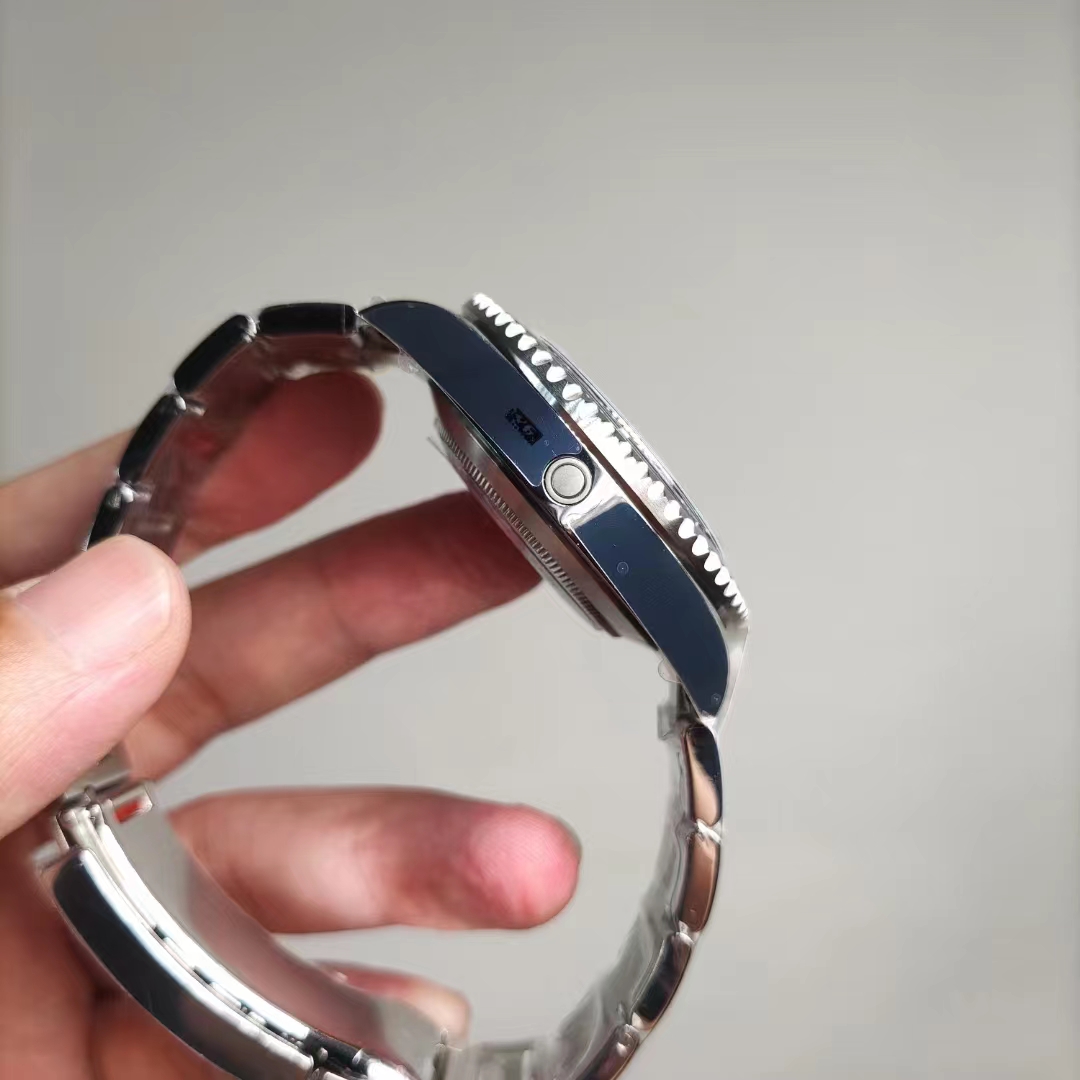
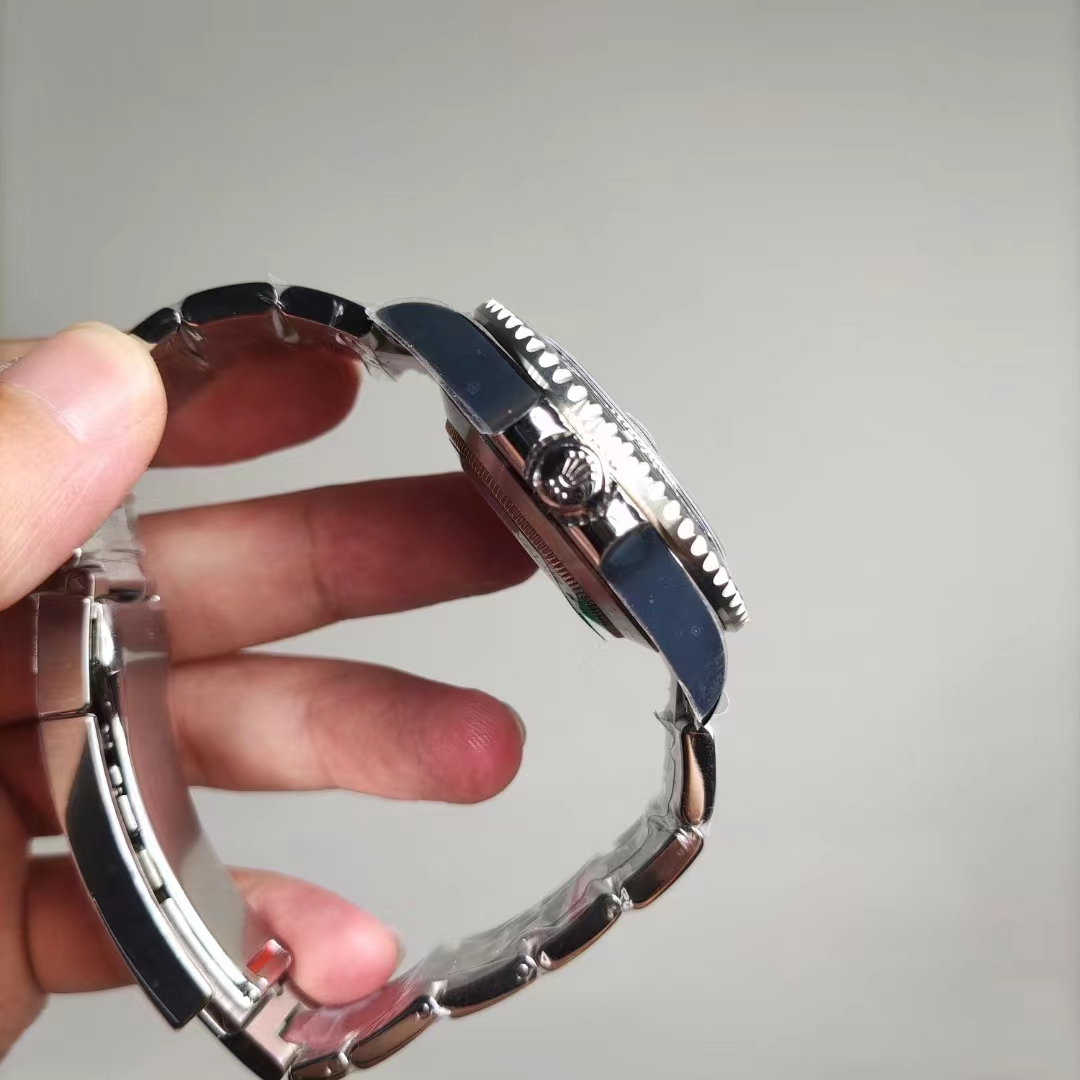
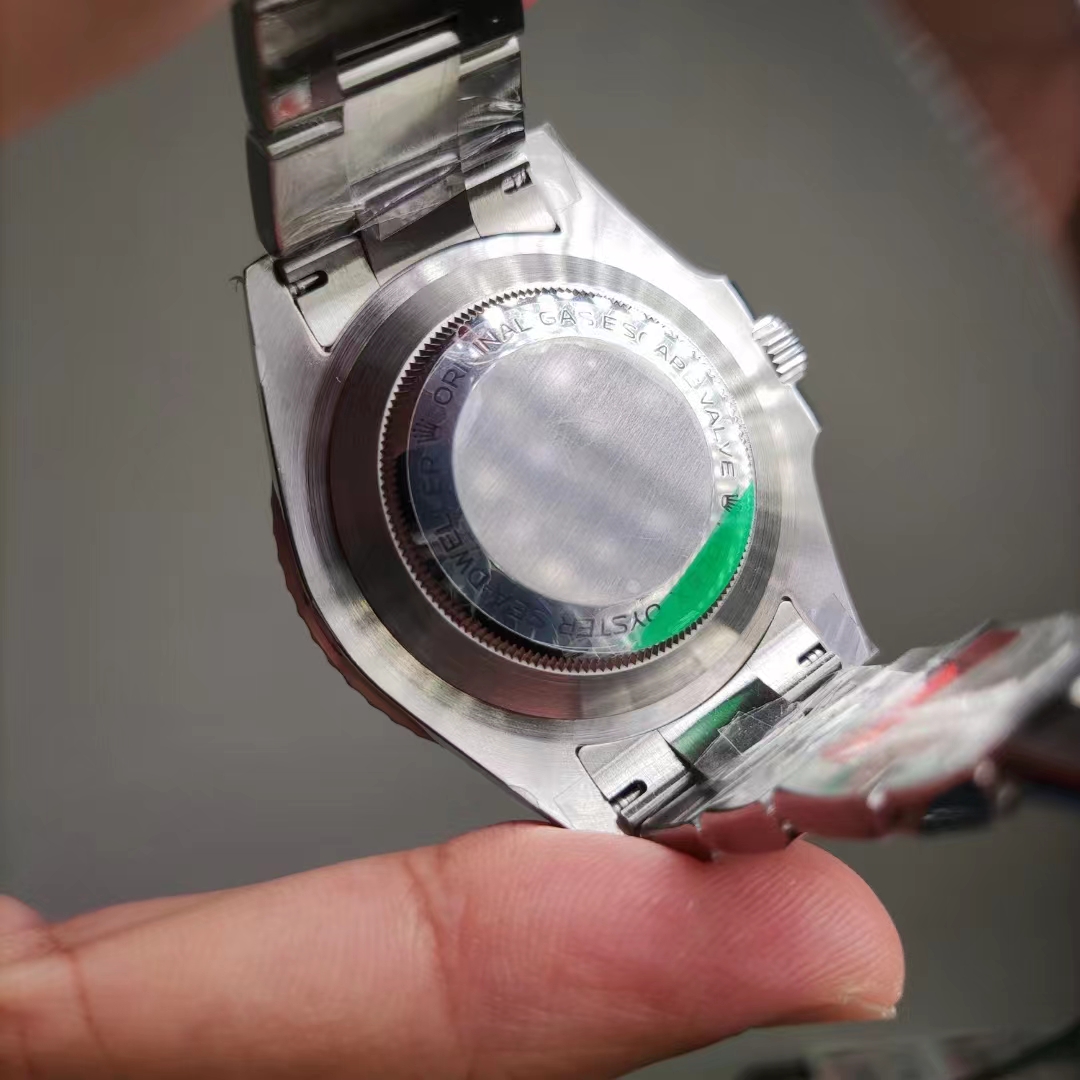
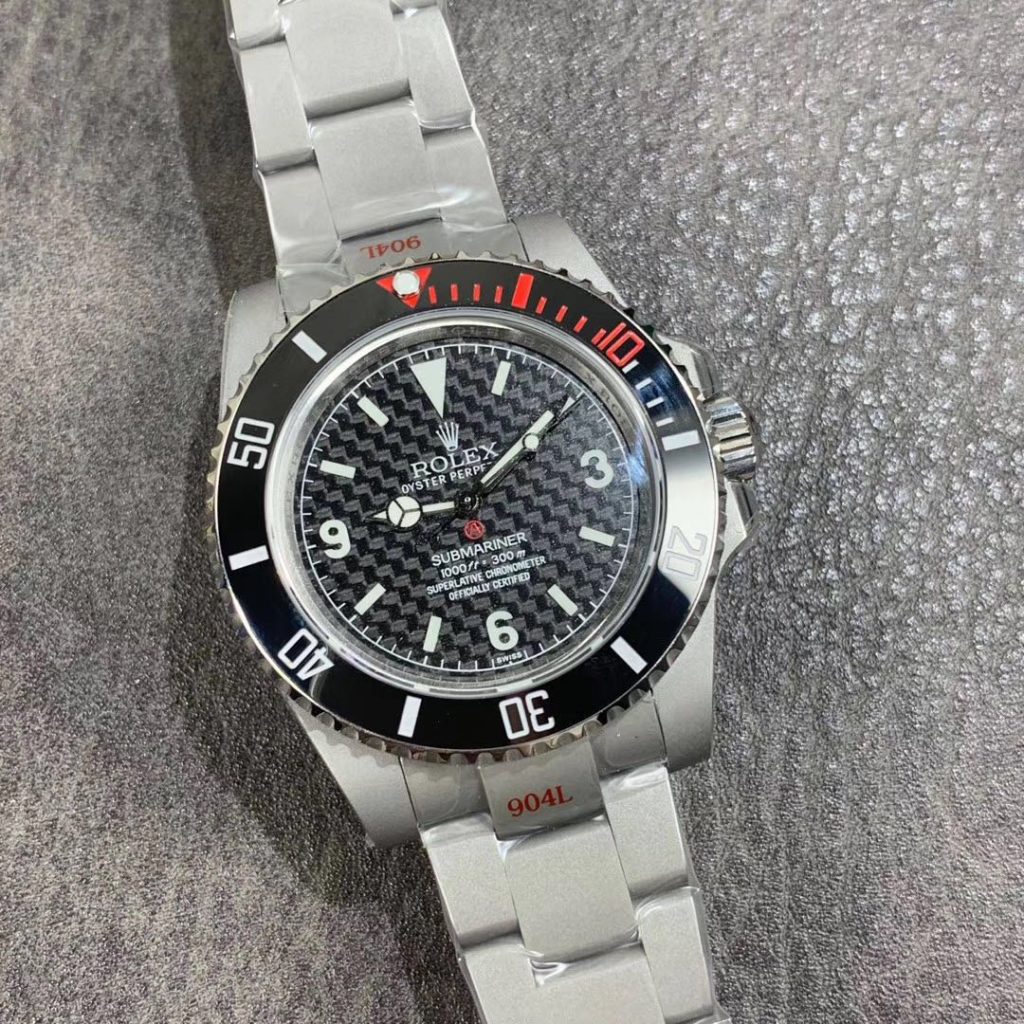
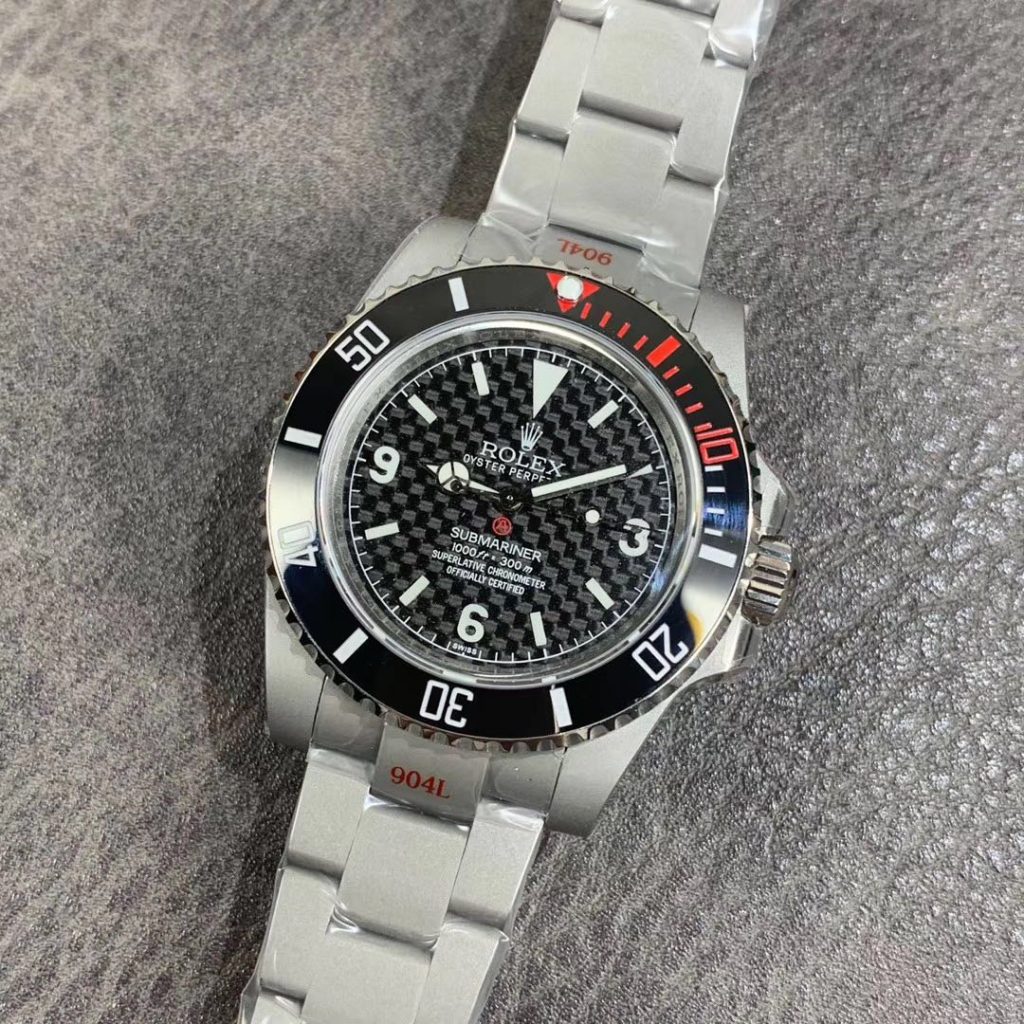
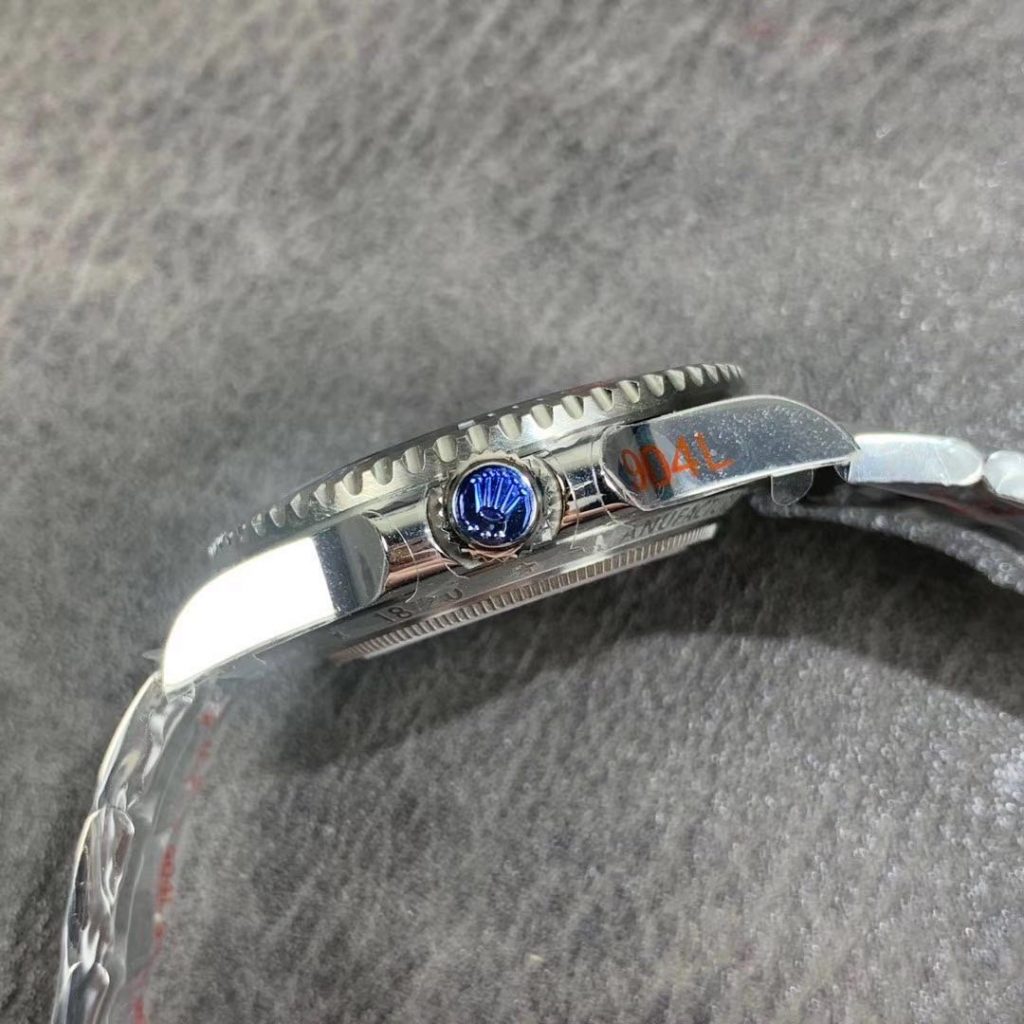
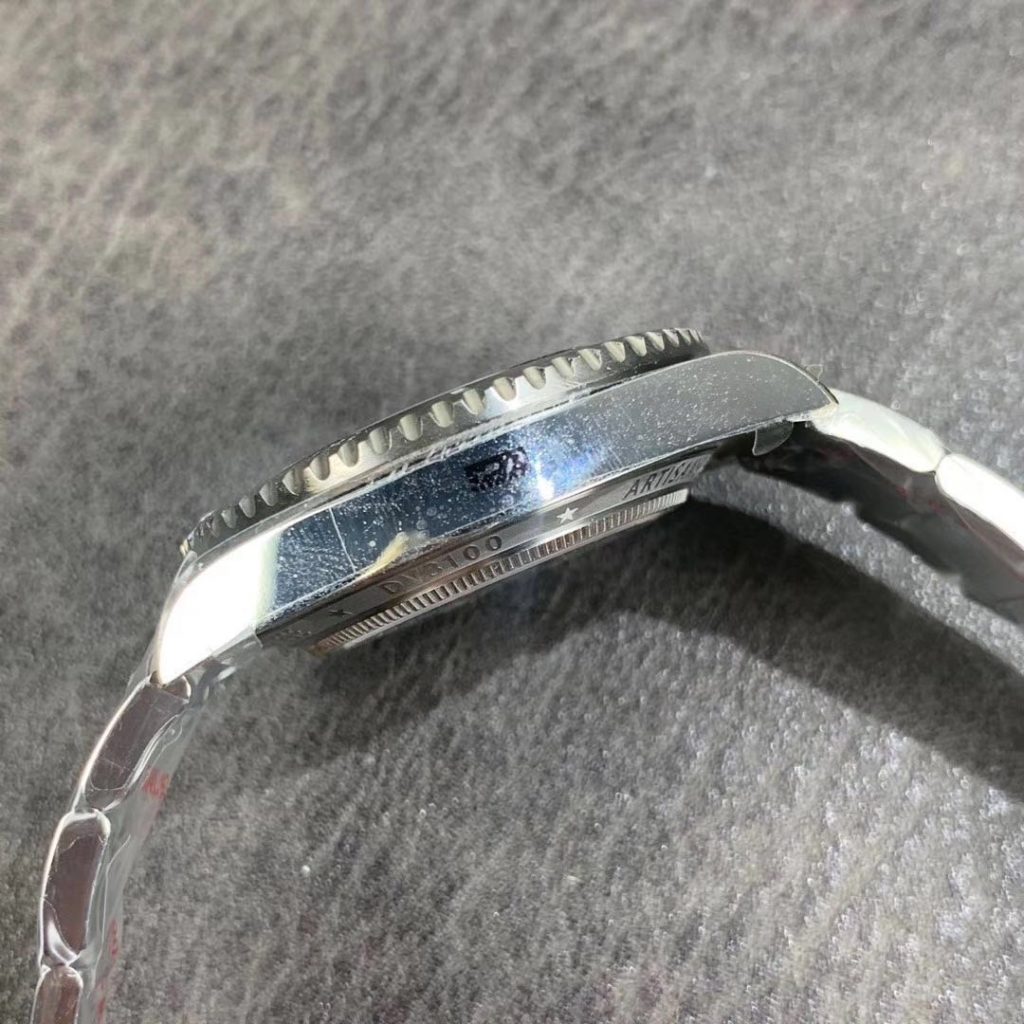
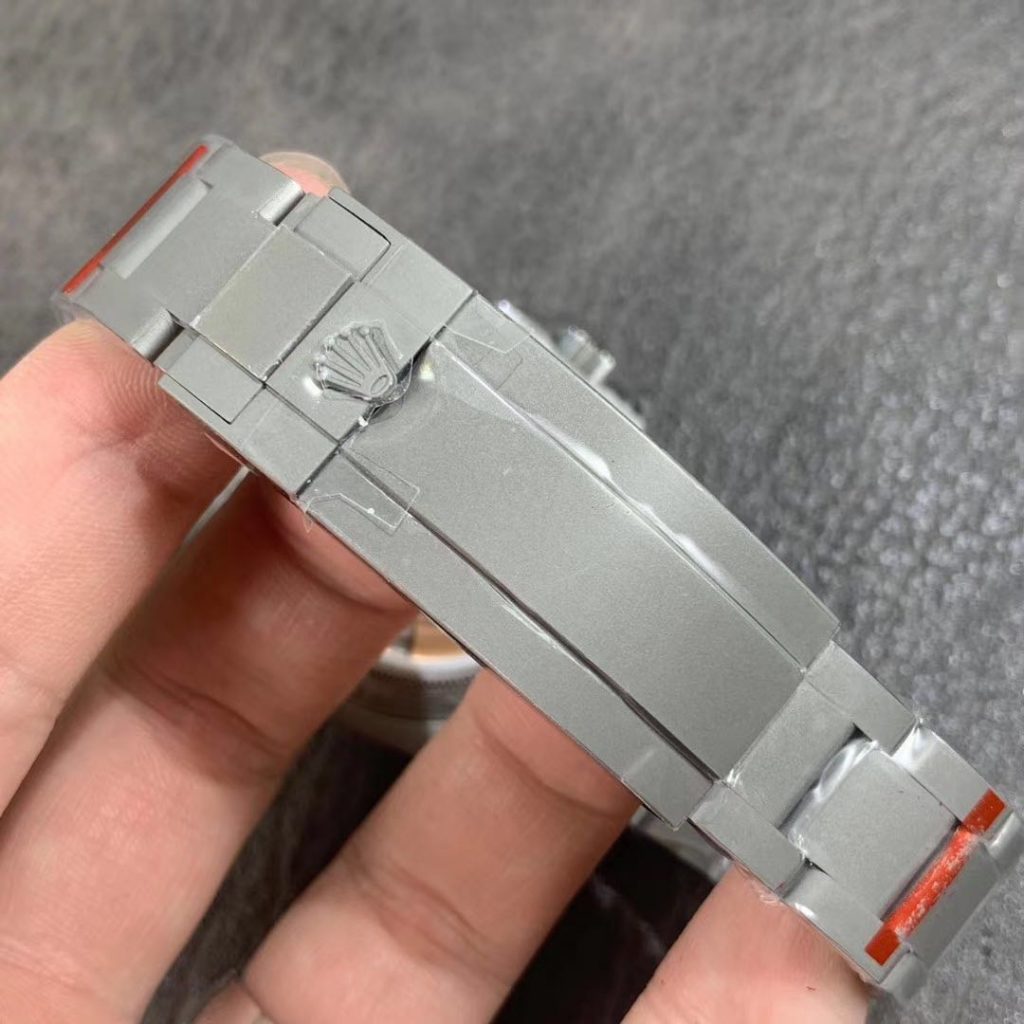
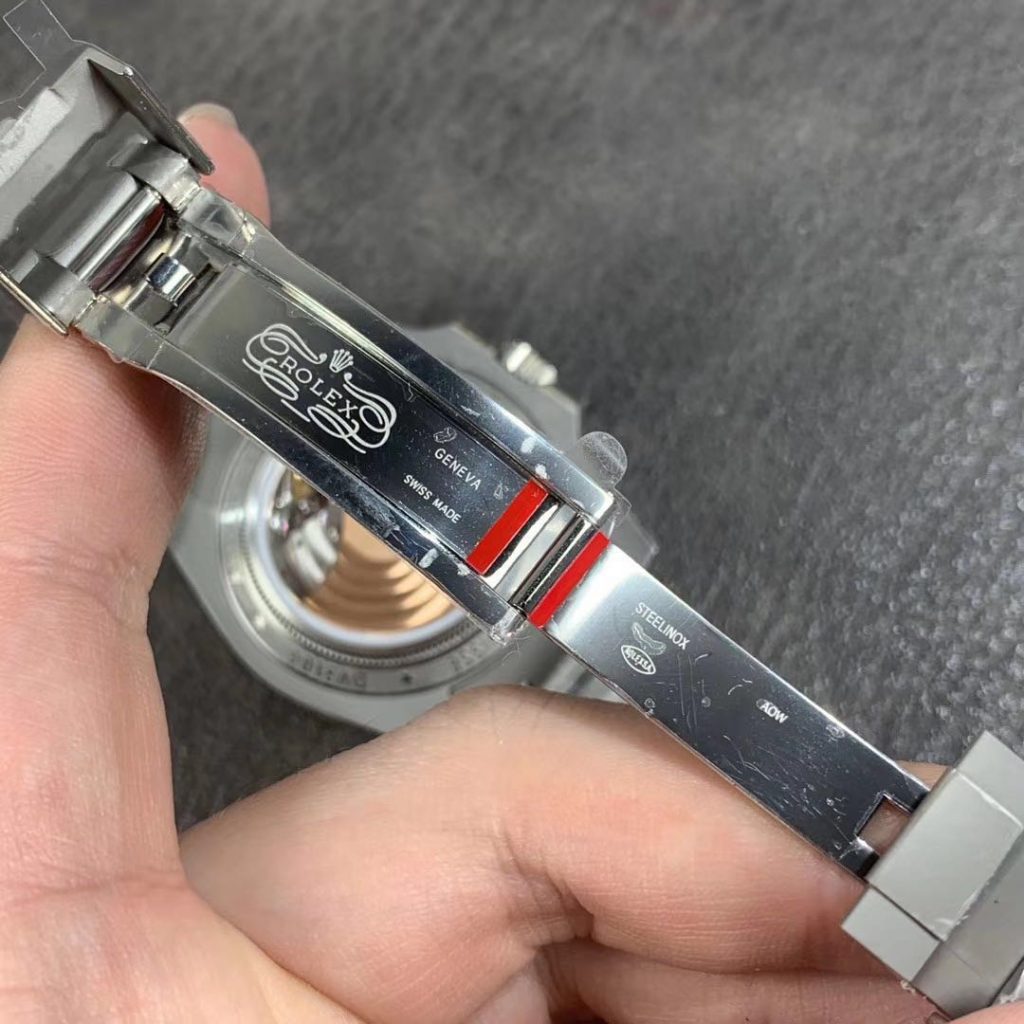
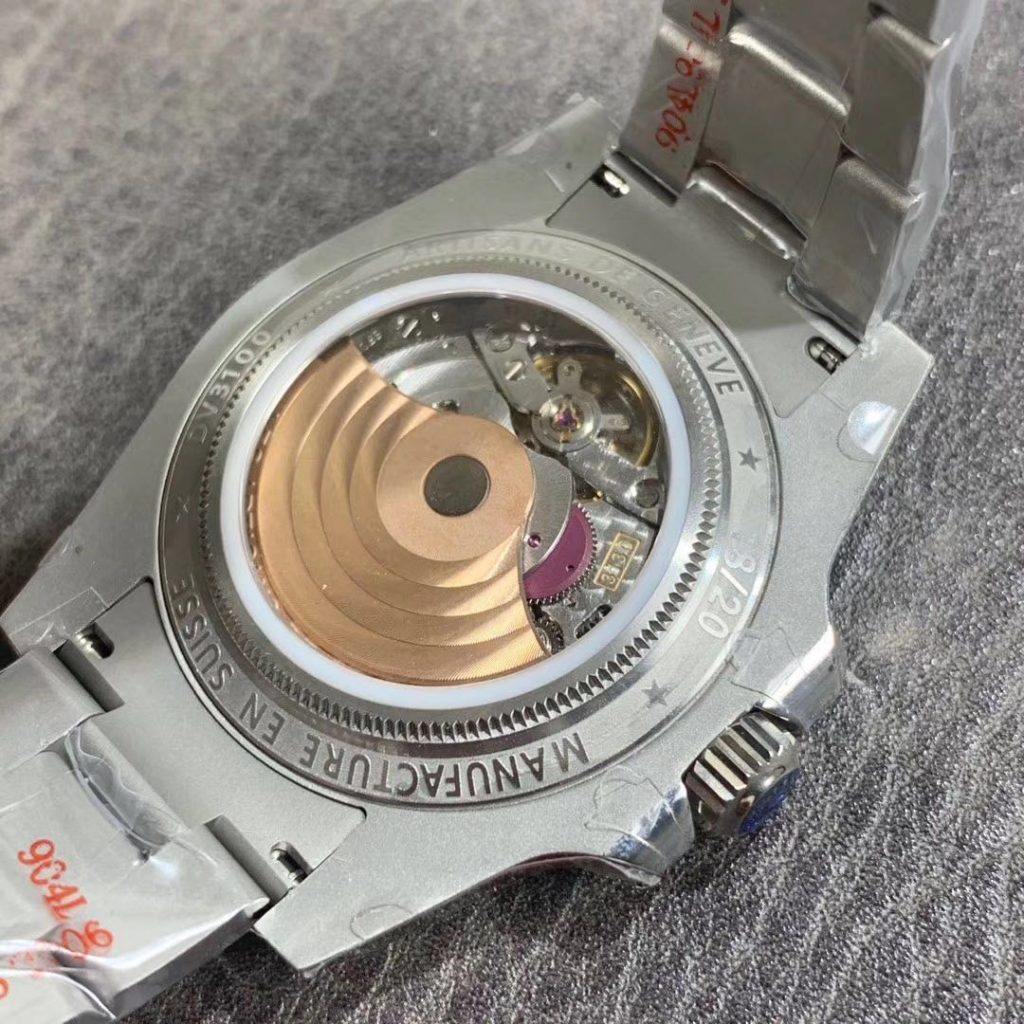
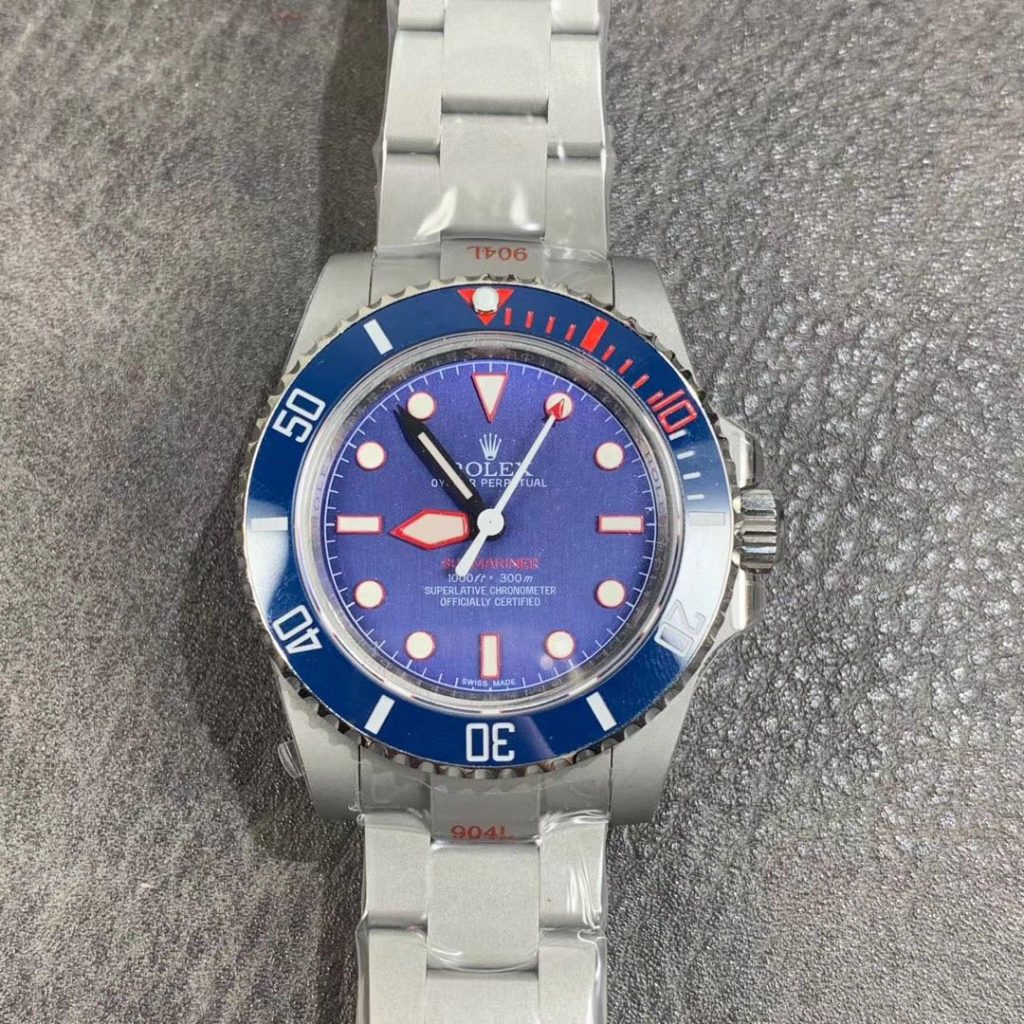
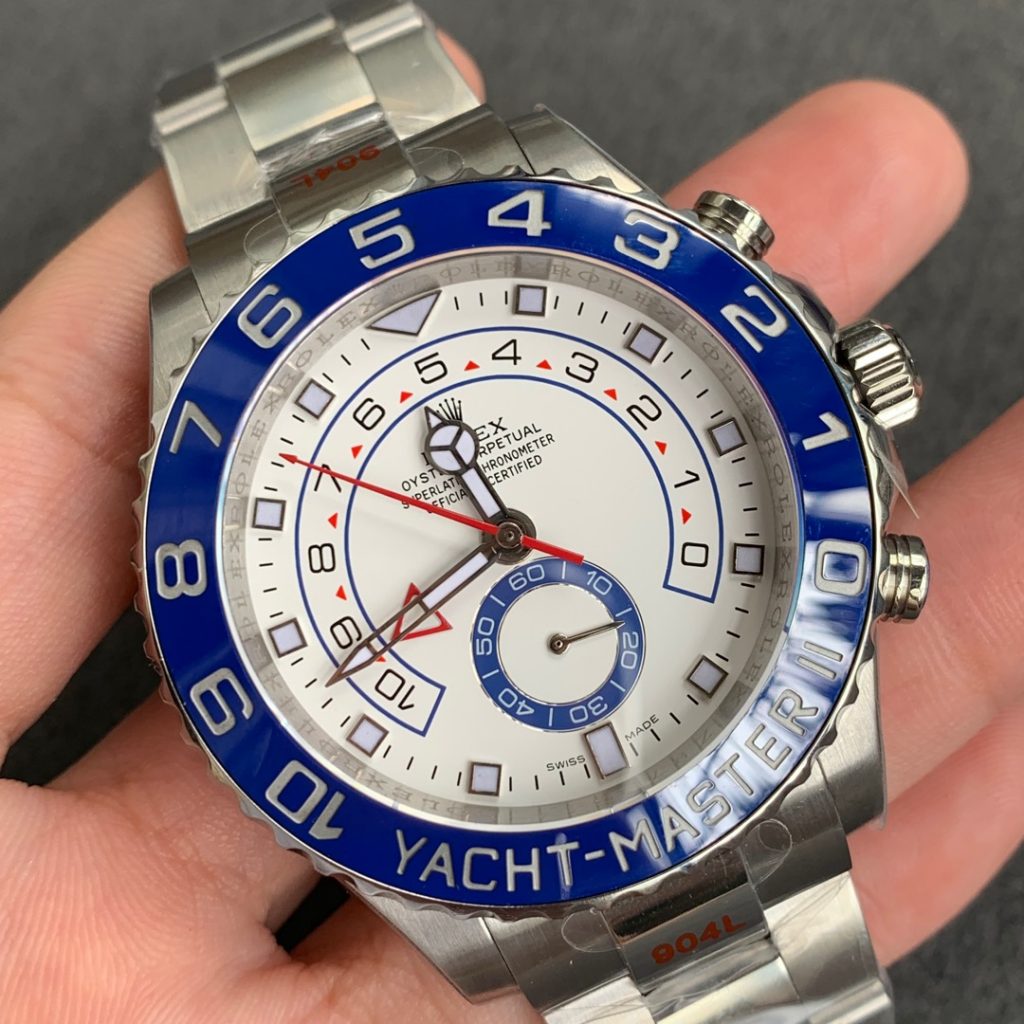
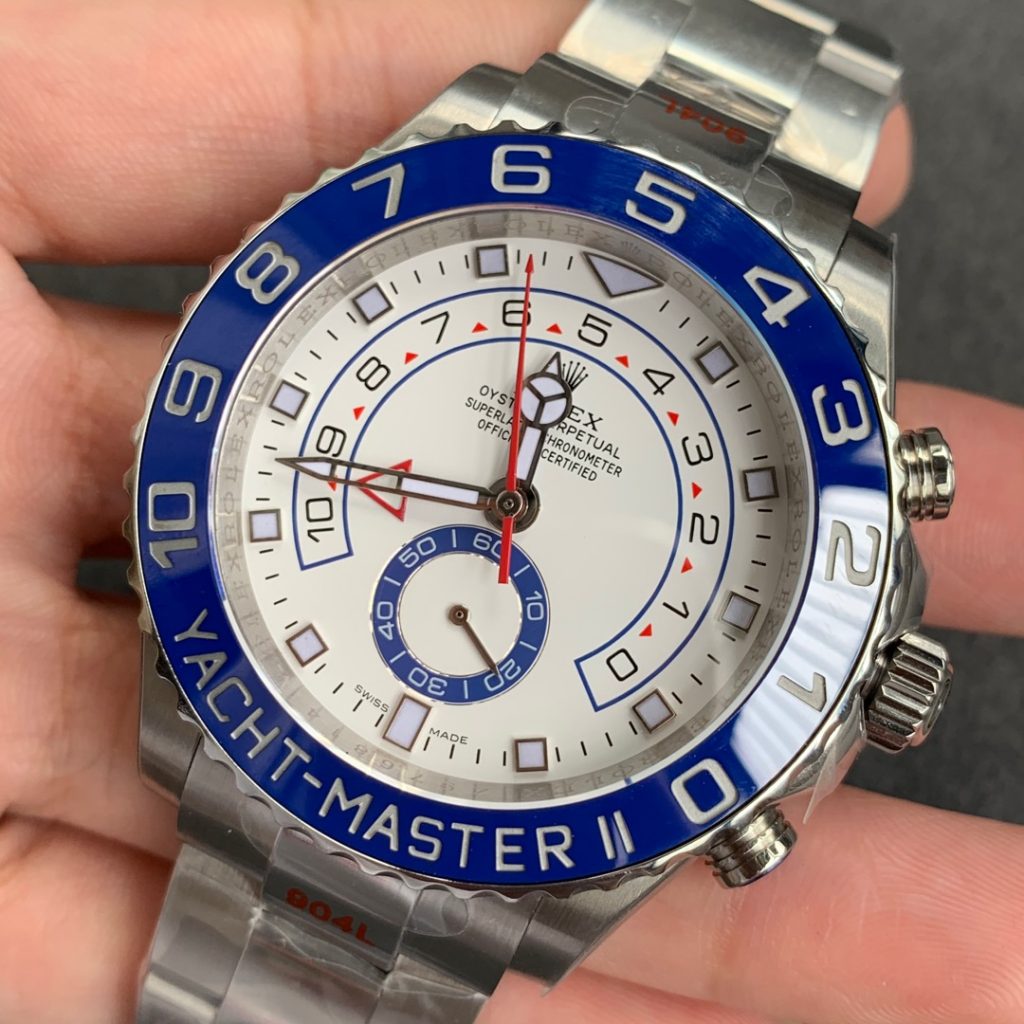
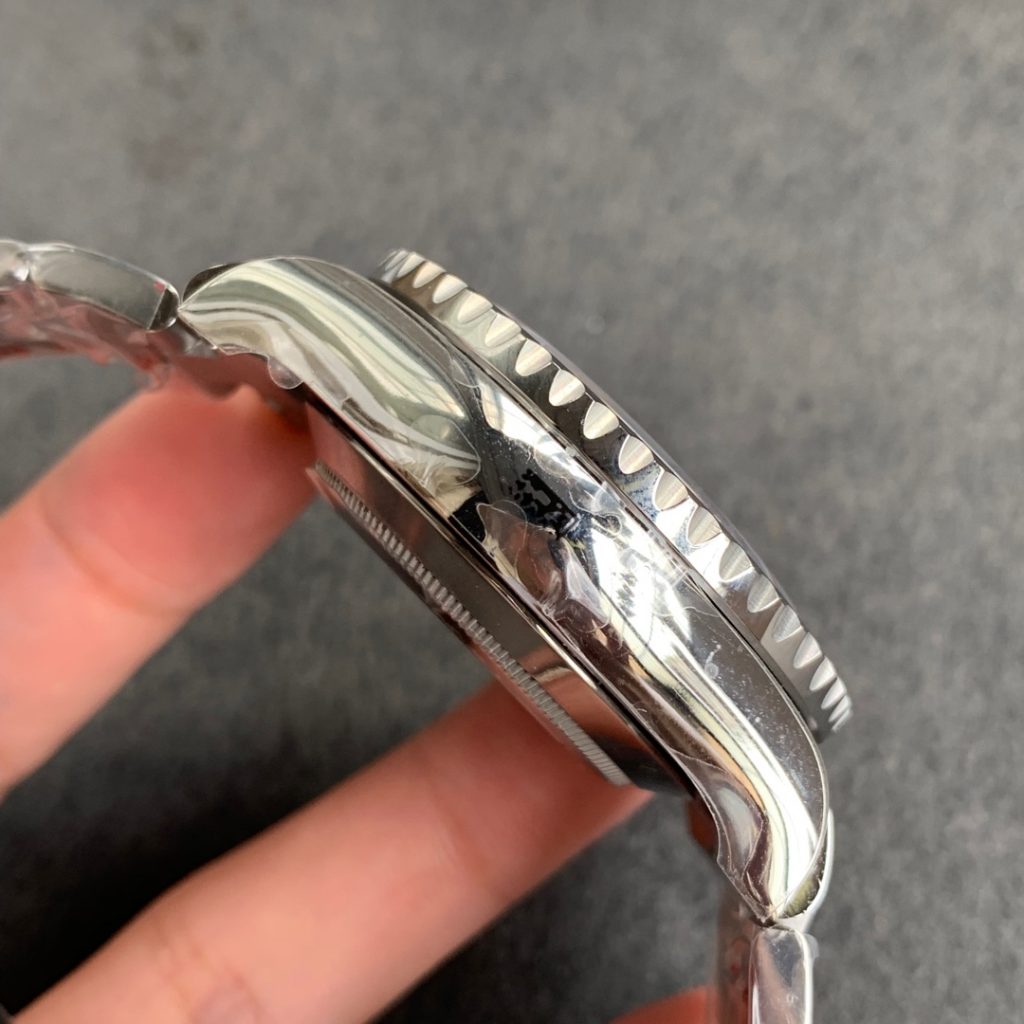
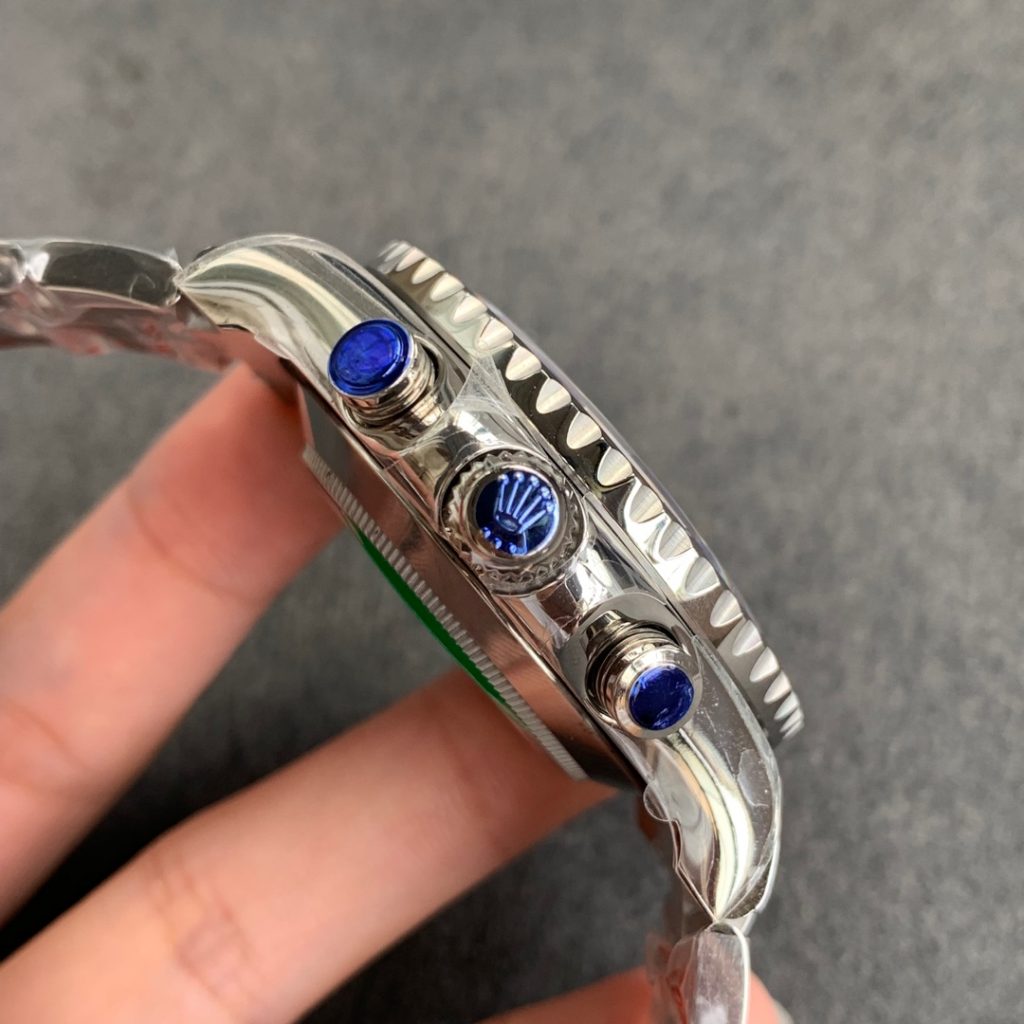
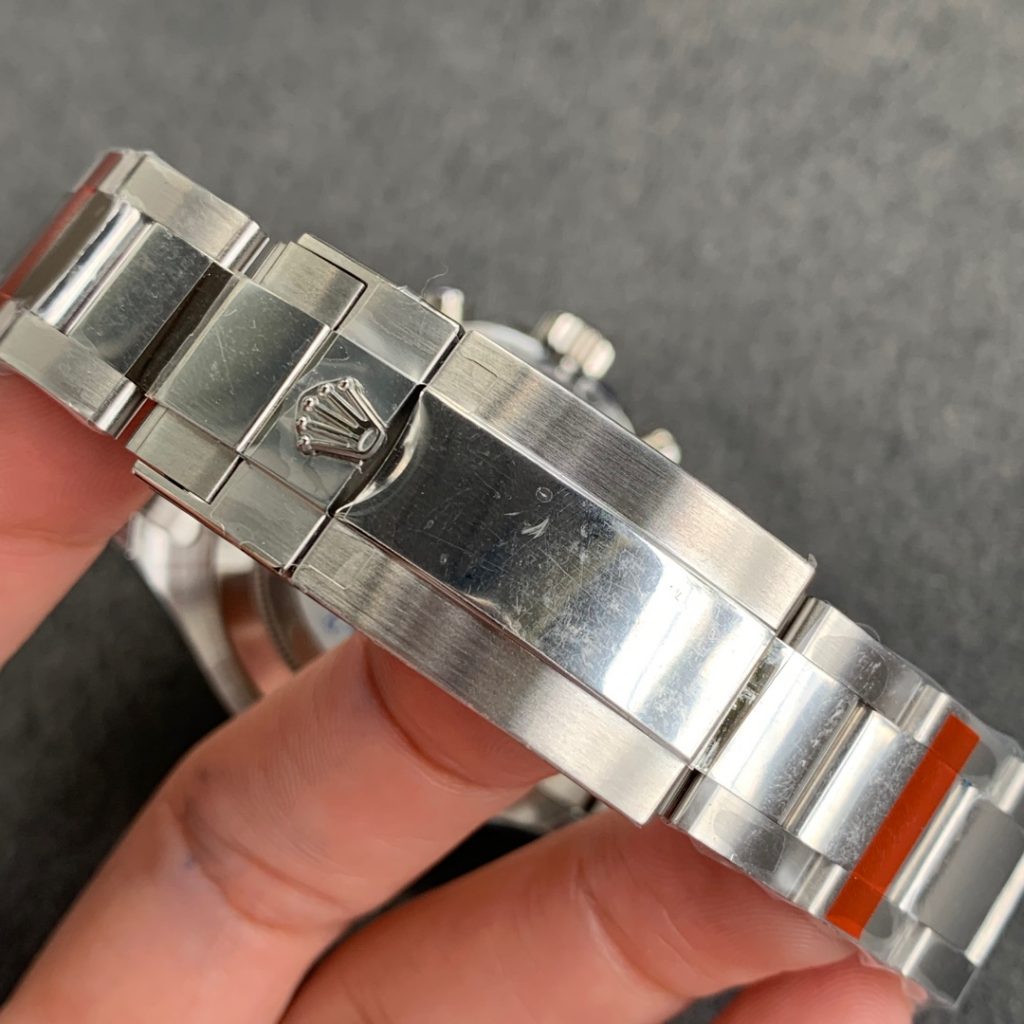
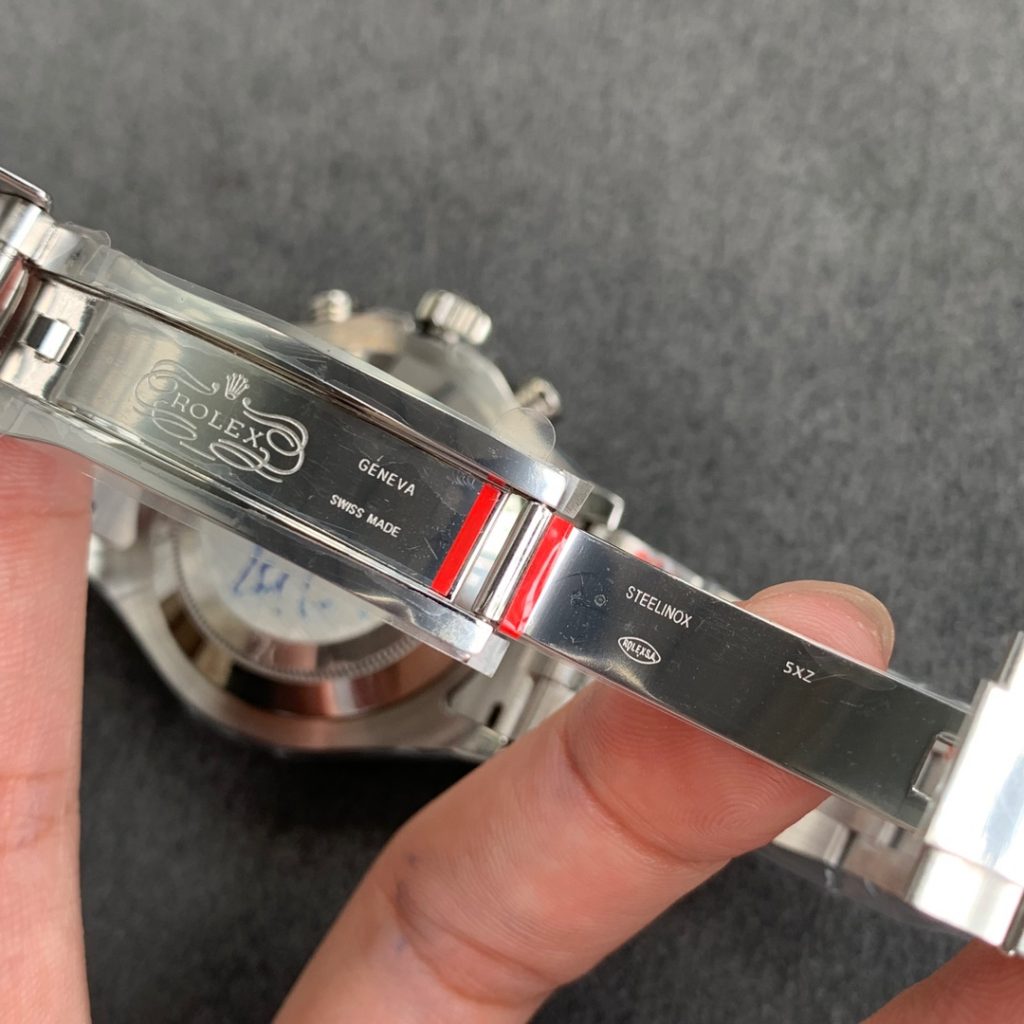
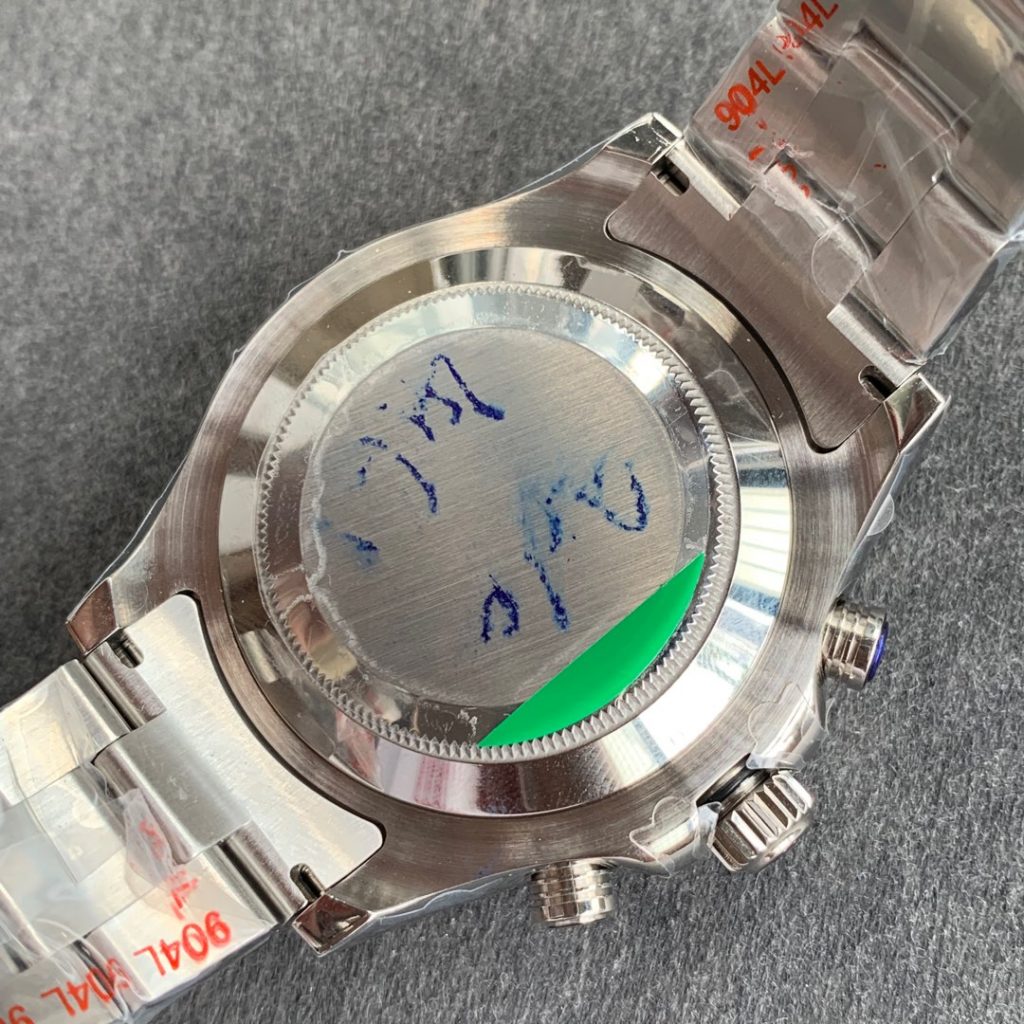
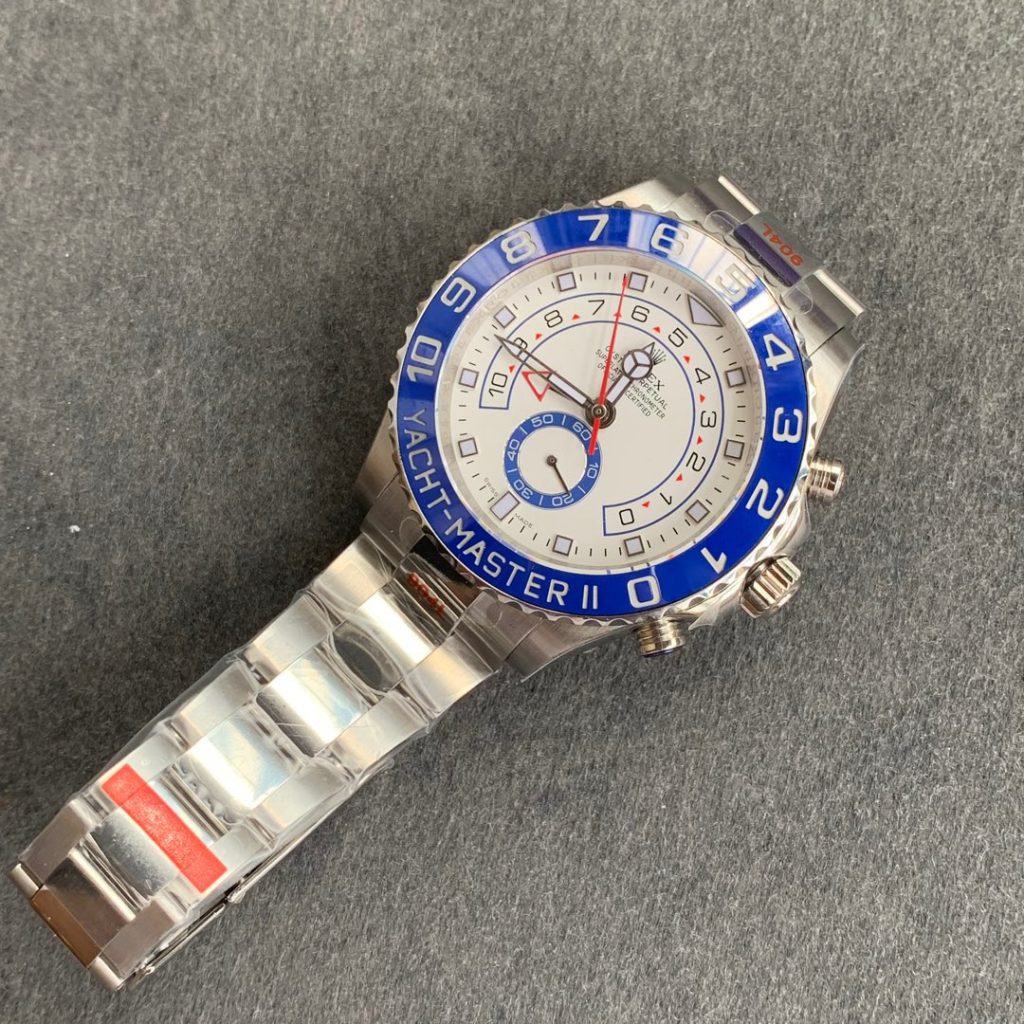
Recently, the price of tungsten-based raw materials has increased sharply – roughly doubled in some cases. I mentioned this in my previous posts, so it is very likely that weighted watch models will become more expensive going forward.
RC and QF have already raised their prices. VS will almost certainly follow, and CBD is also expected to increase prices in July. Just giving everyone an early heads-up.
There is another point that many buyers misunderstand: some people hear the word “weighted” and immediately assume that a weighted watch is unsafe. Let me explain this clearly.
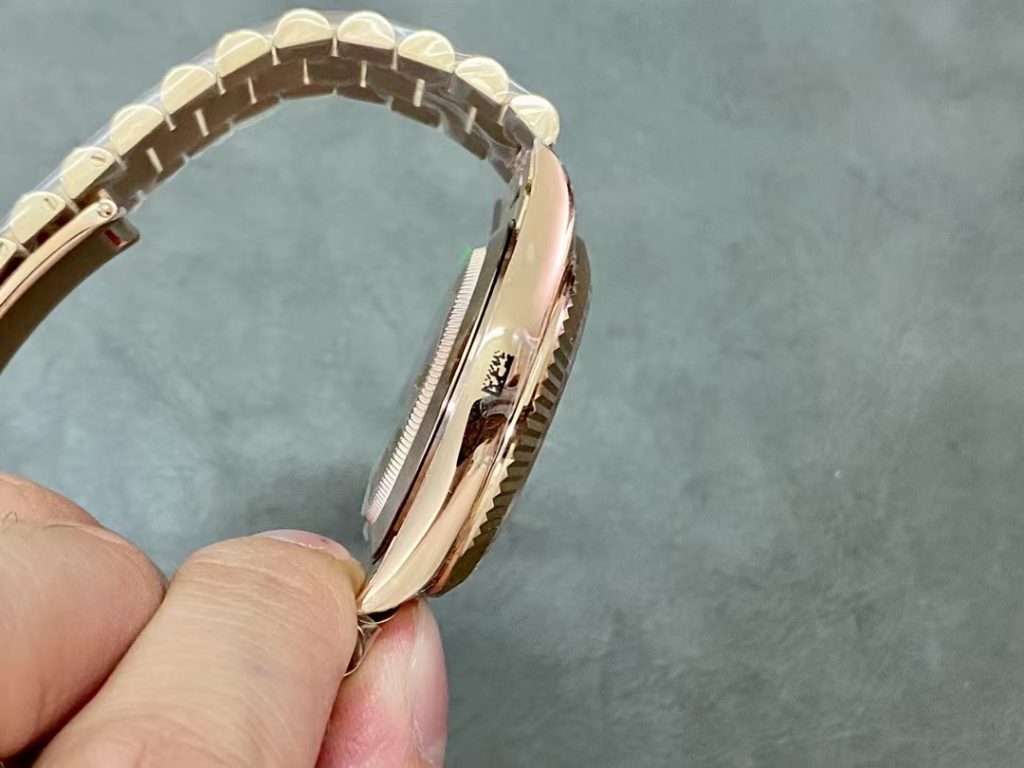
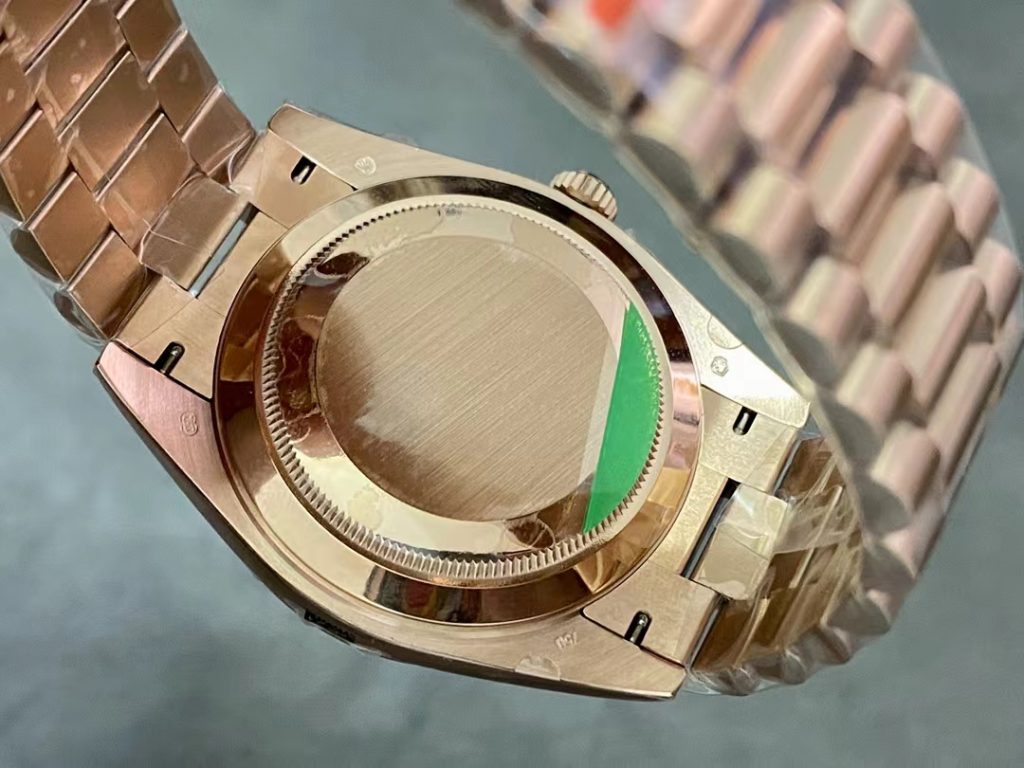
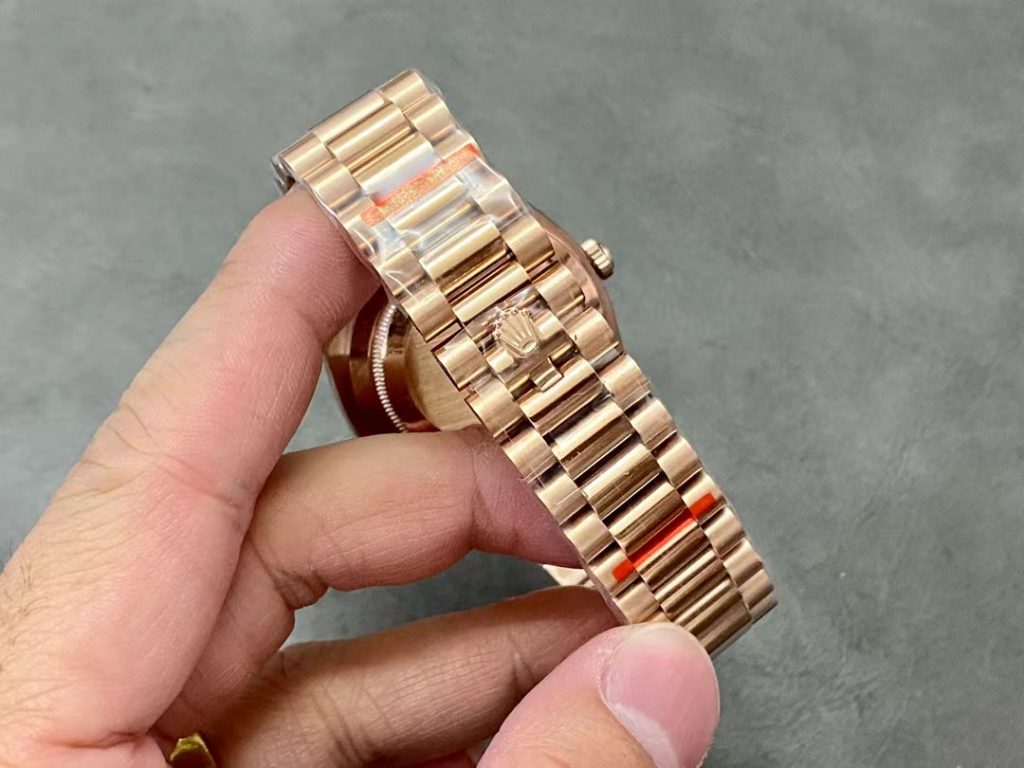
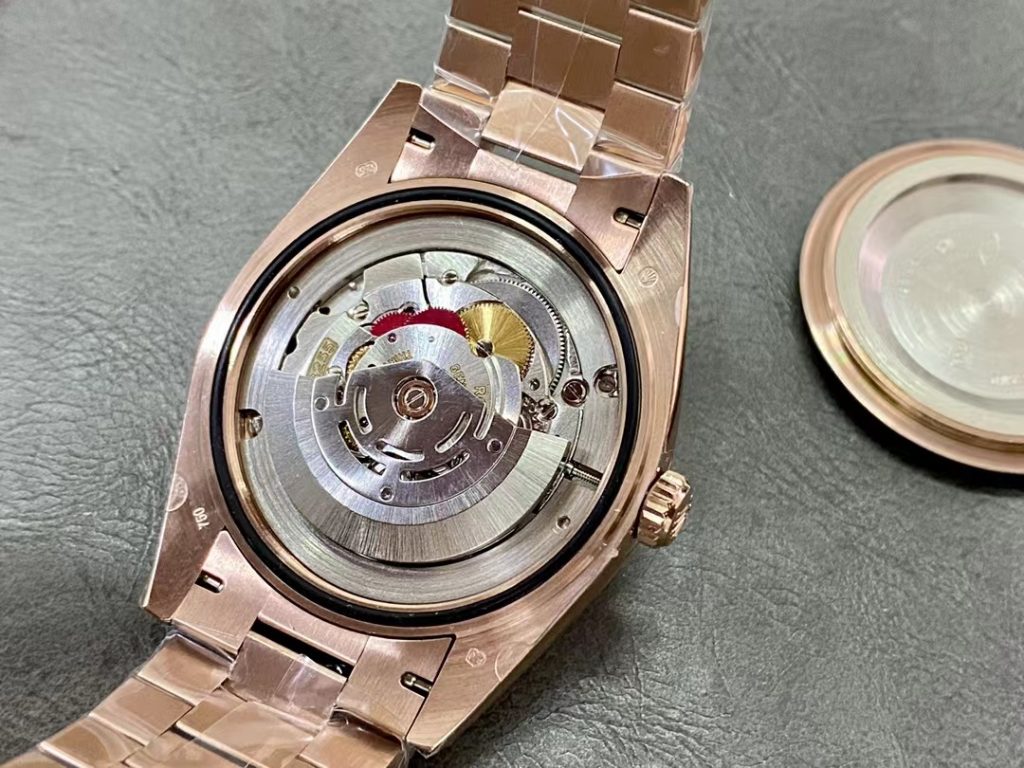
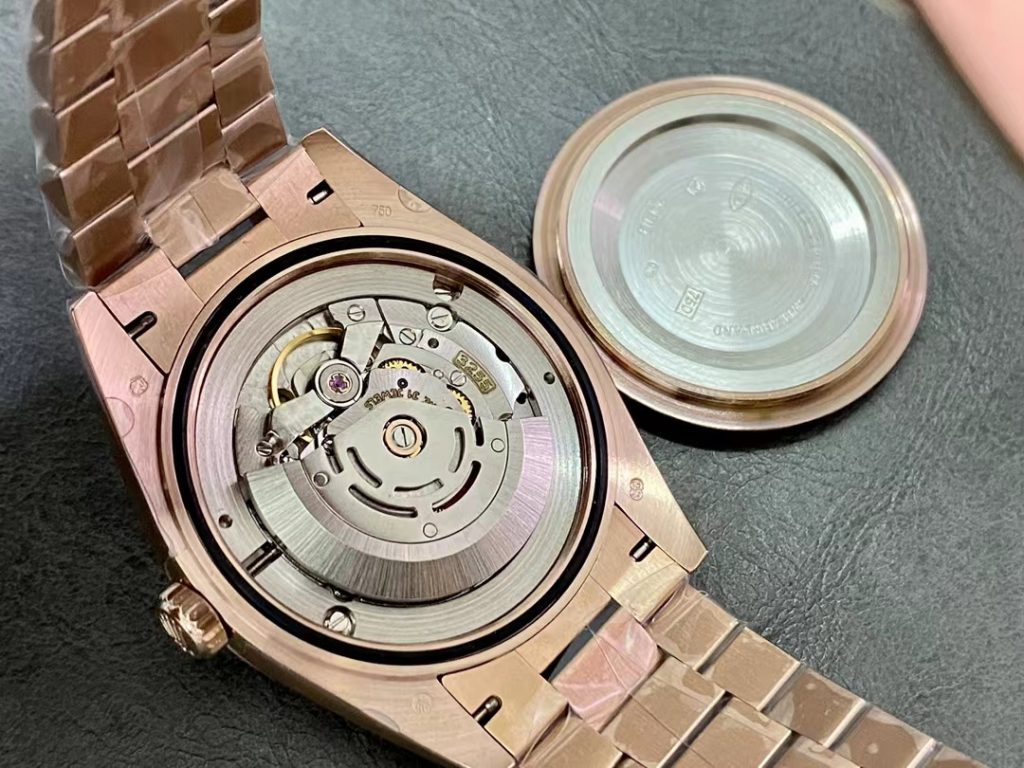
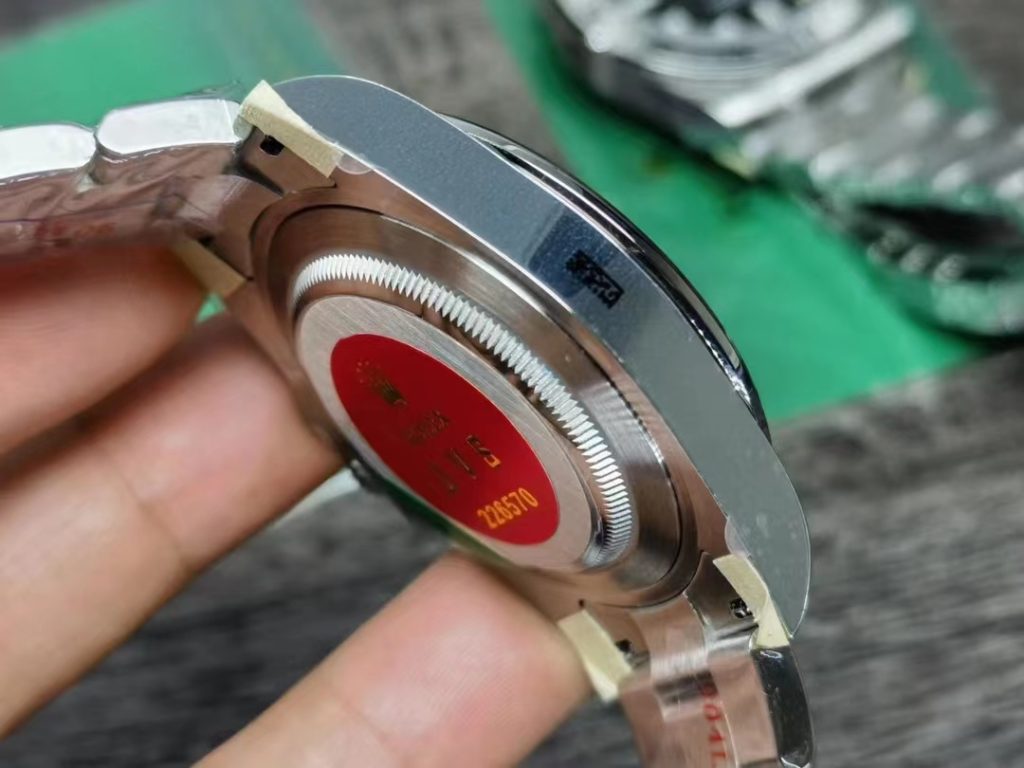
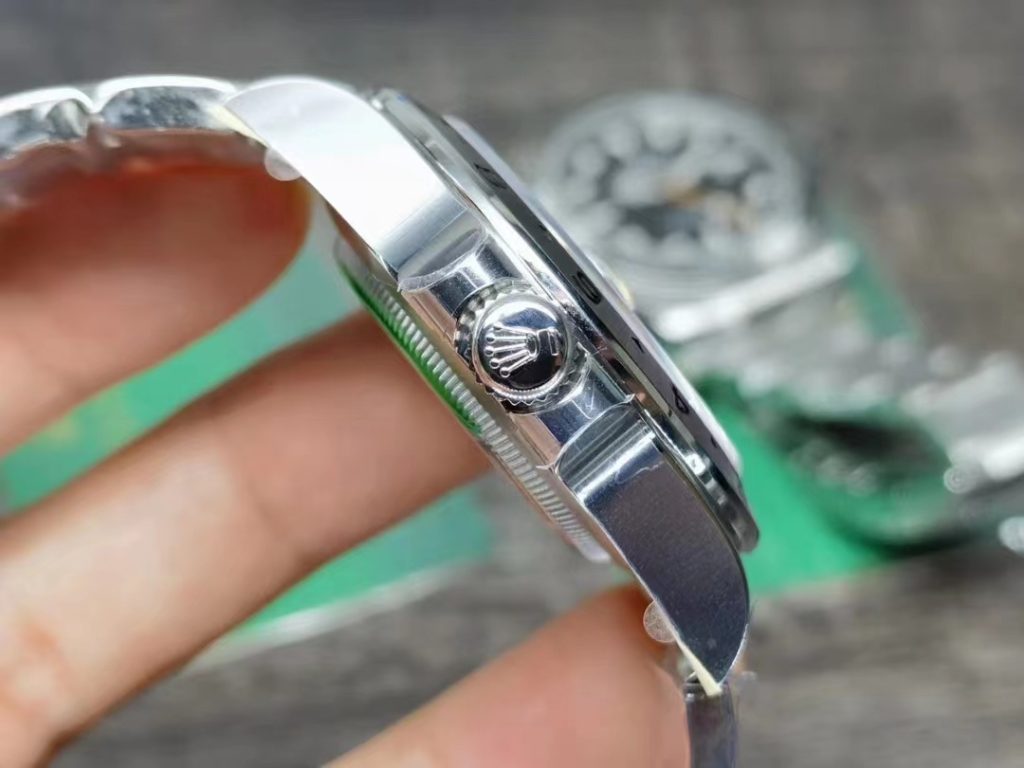
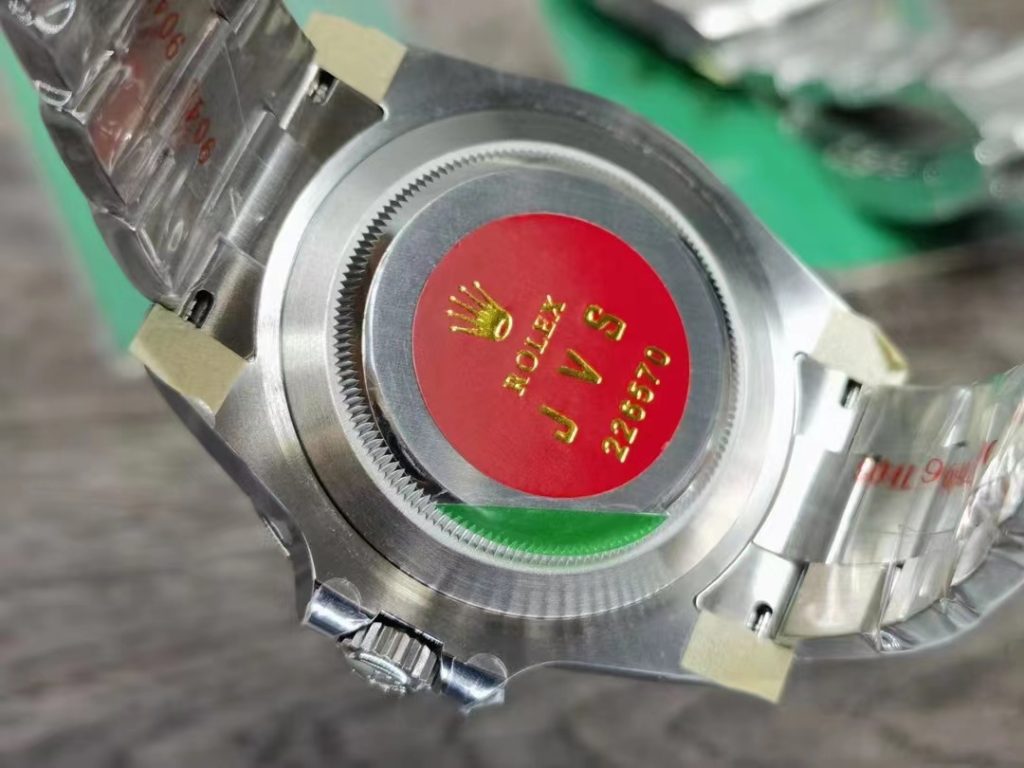
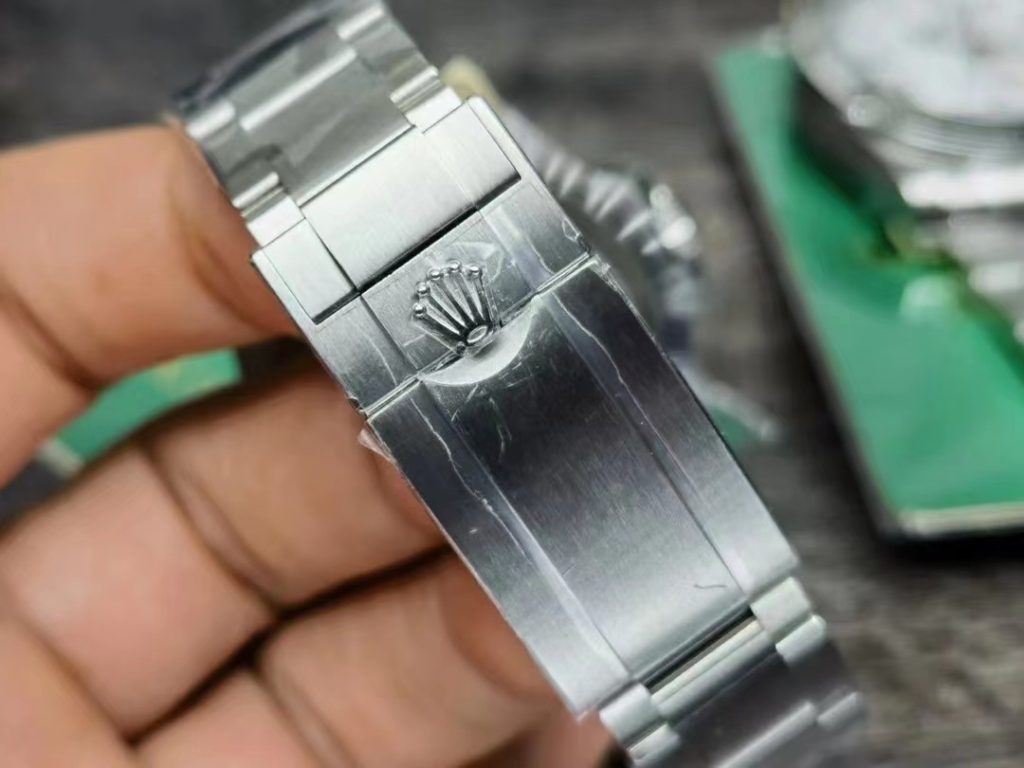
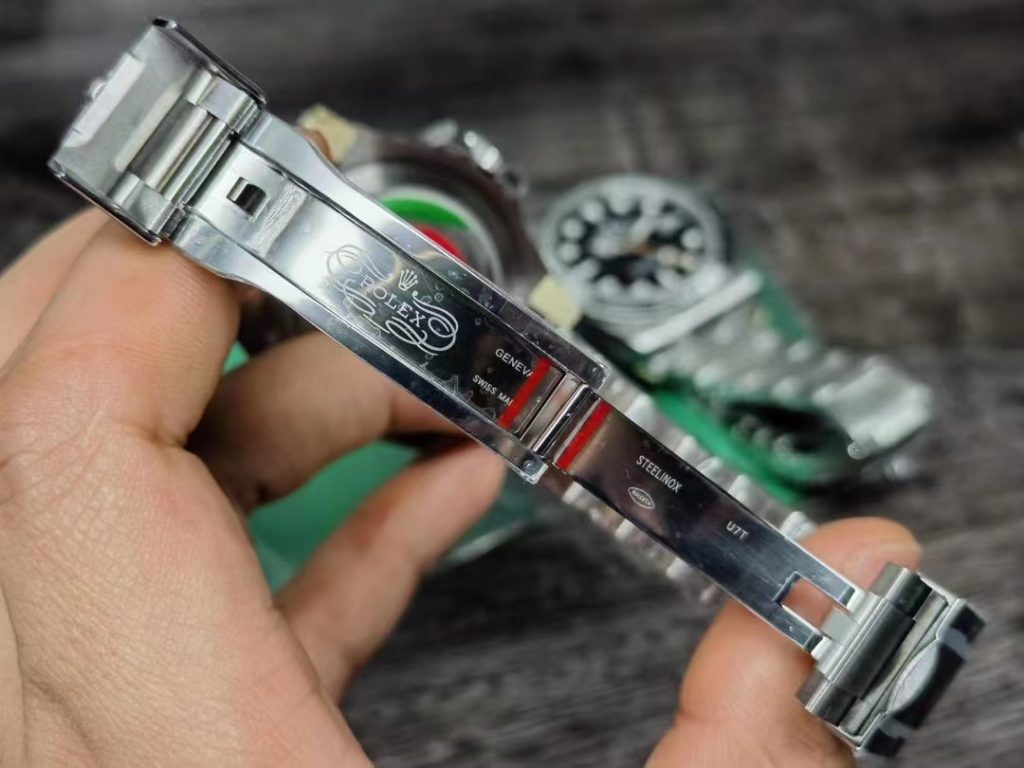
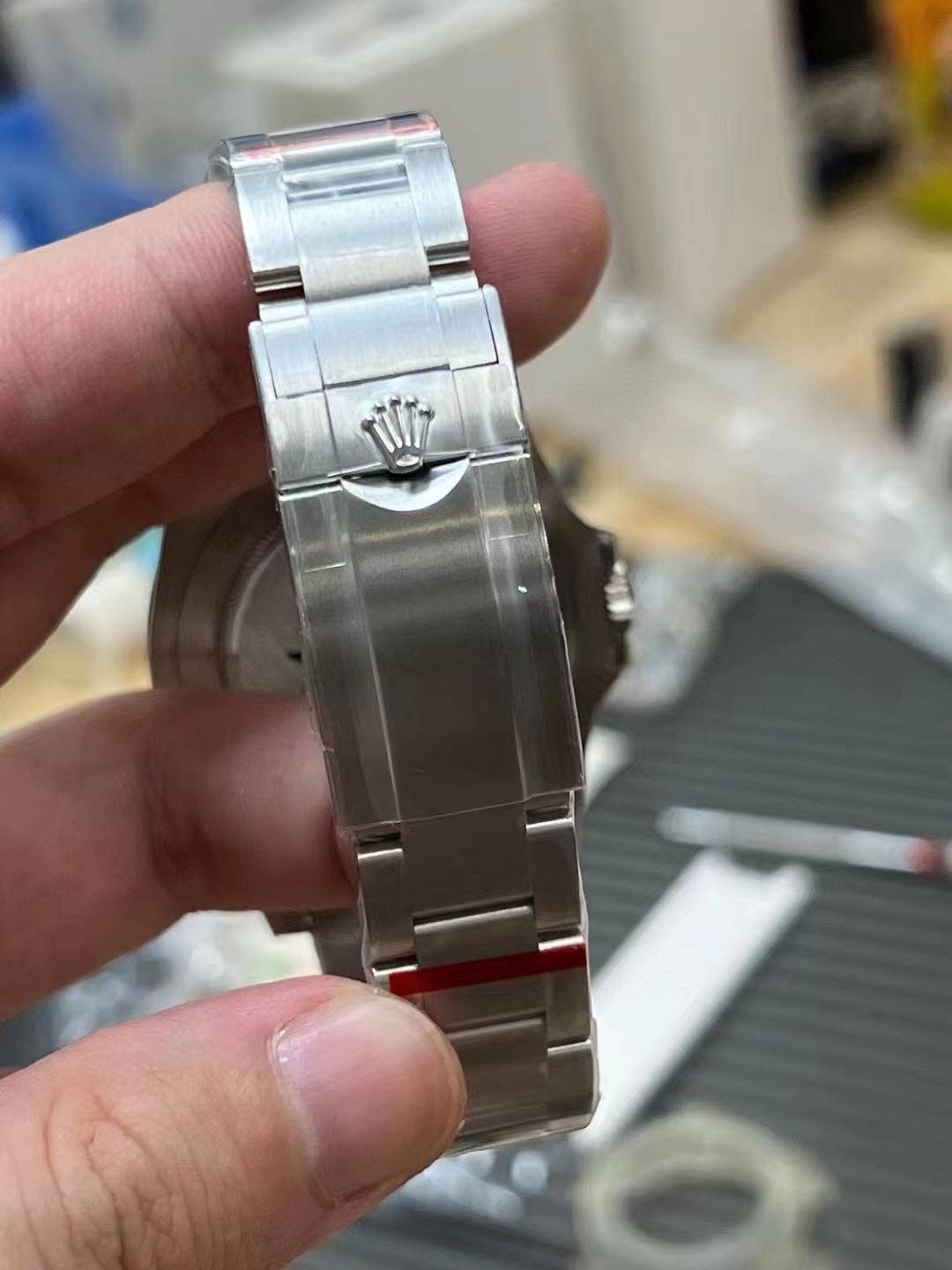
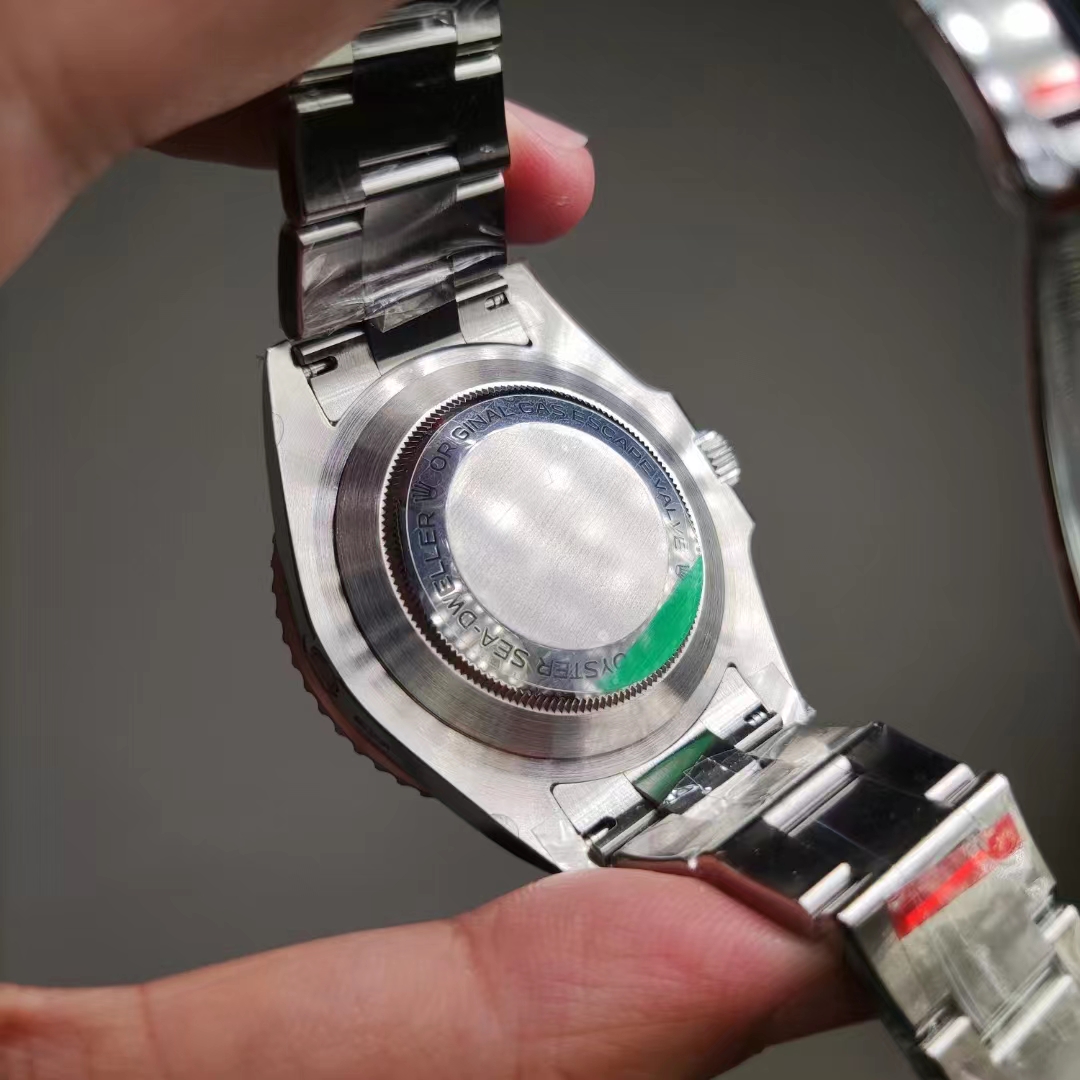
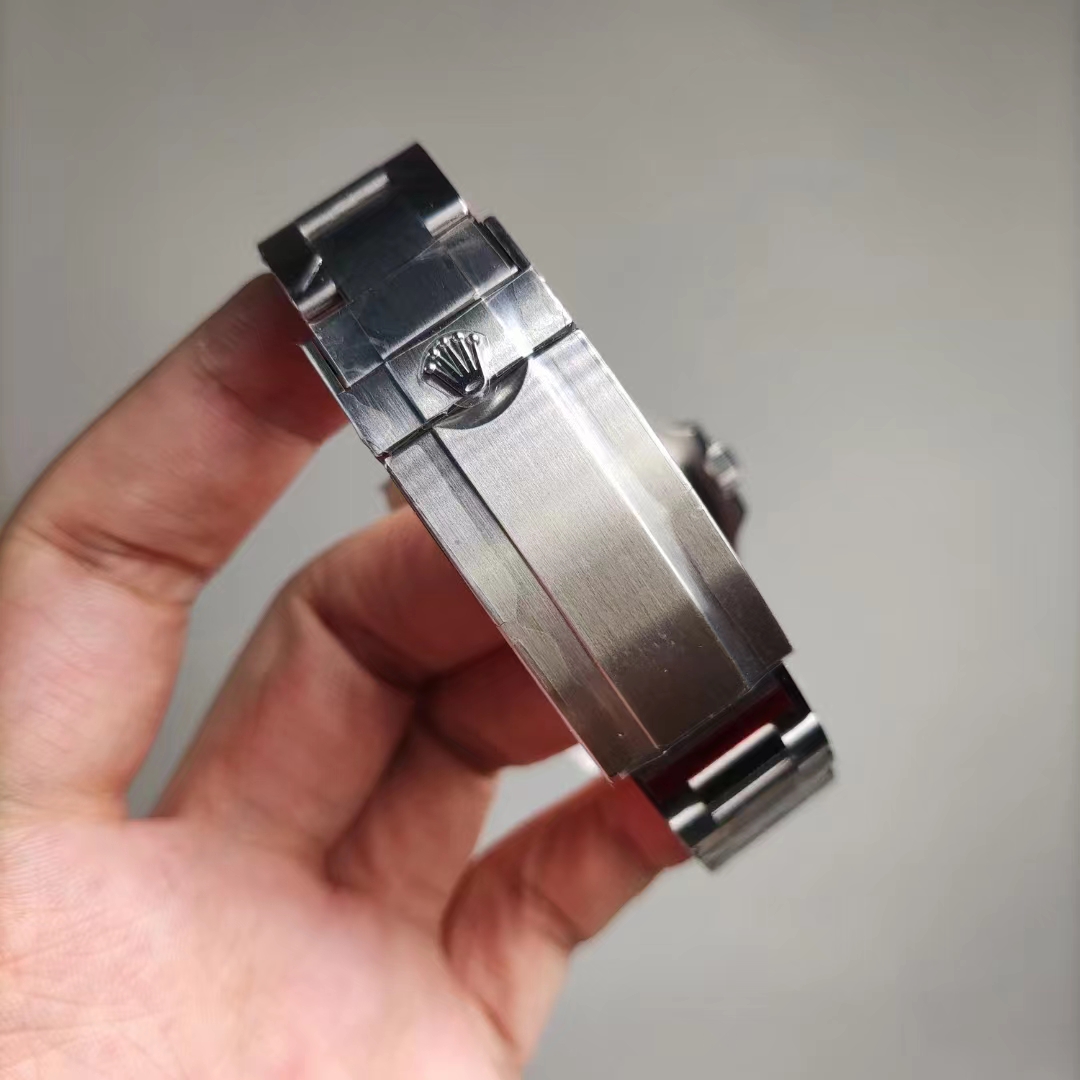
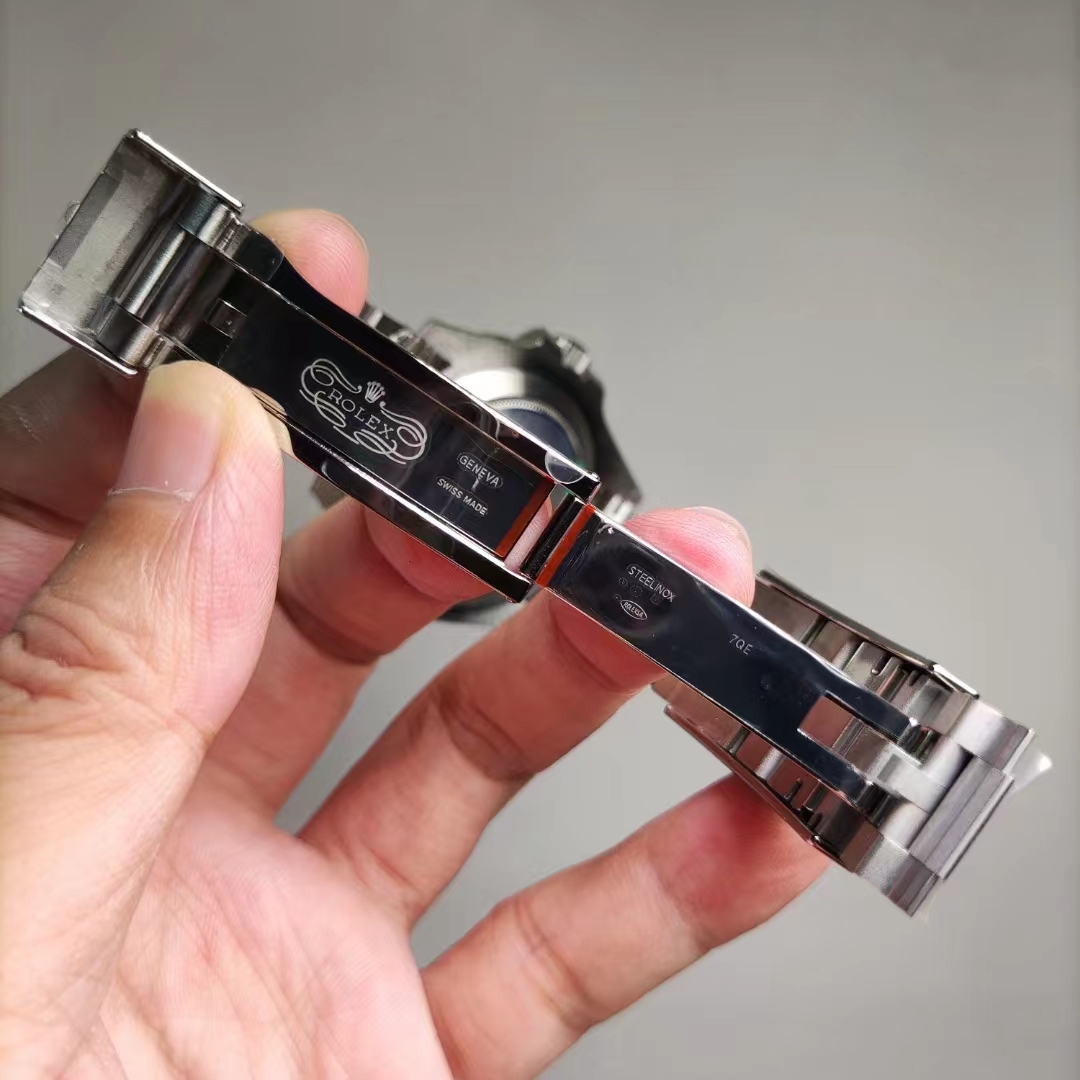
The tungsten material used inside a properly made weighted watch is not normally exposed to the skin during regular wear. As long as the watch remains intact and is not taken apart, repaired improperly, or damaged, you will not even come into contact with the tungsten core. The outer surface is typically stainless steel – the same type of material used on ordinary steel watches.
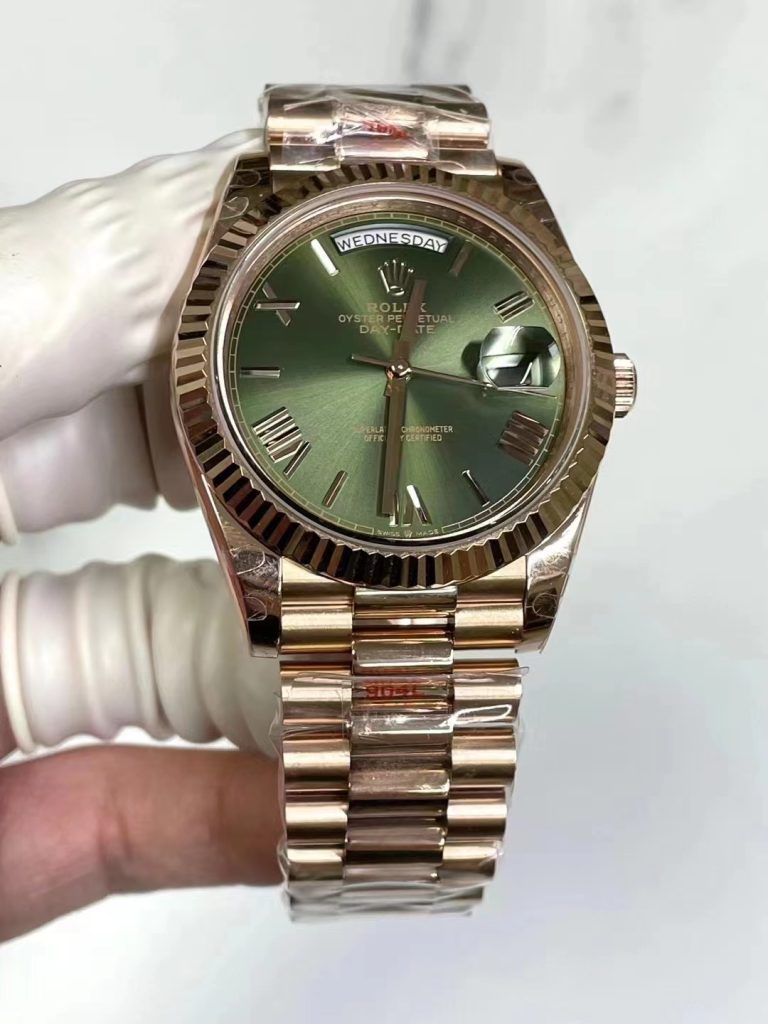
That is why many weighted models can still be gold-plated or gold-wrapped. VS and QF, for example, generally have no issue with this. CBD and RC may require more care because their outer steel layer can be thinner, but the basic construction itself is not inherently unsafe.
So where did the concern about “toxic weighted cases” come from?
It mainly came from some early ARF weighted cases, as well as certain unknown workshop-made weighted cases on the market. At that time, the external finishing could look quite refined, but tungsten processing technology was less mature. Some makers used a rough tungsten core and covered it with a nickel coating.
The problem was not simply the presence of tungsten. The issue was the quality and durability of the coating. When the nickel layer deteriorated, reacted with sweat, moisture, or other metals, and began to corrode, it could produce visible pitting and surface damage on the caseback.
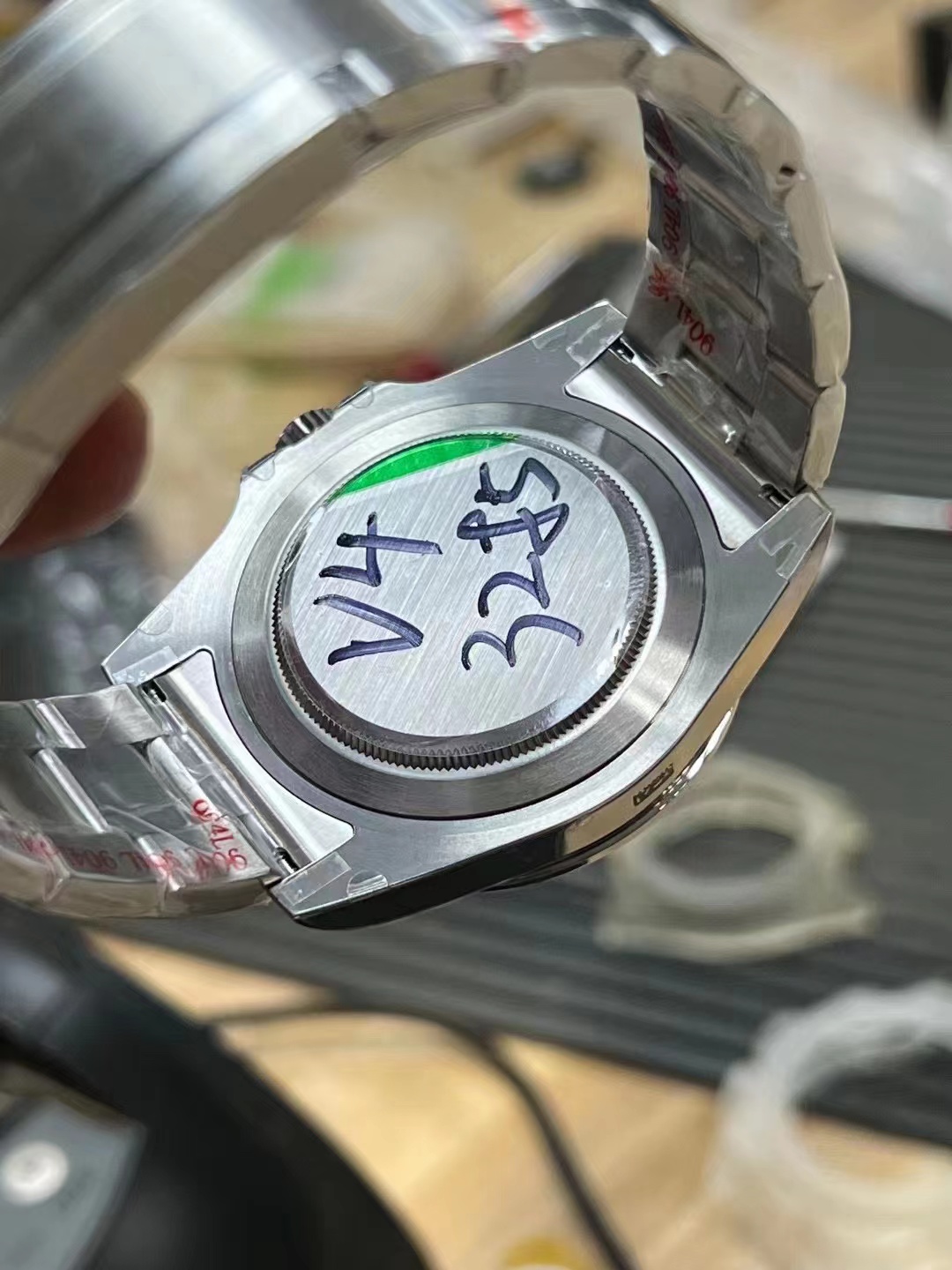
You can clearly see this kind of damage on some old casebacks: large areas of pitting, corrosion marks, and damaged surface layers. In those cases, prolonged skin contact with degraded nickel-containing coatings could potentially cause irritation or allergic reactions, especially for people with sensitive skin. This is the real source of the negative reputation surrounding early weighted cases.
These problematic cases were usually from unknown workshops, or from older weighted watches that had peeling surfaces and were later re-plated by random gold-plating shops. Some earlier large-factory weighted cases also used similar construction methods, including ARF and another factory name that I cannot remember at the moment. I will add it later when I recall it.
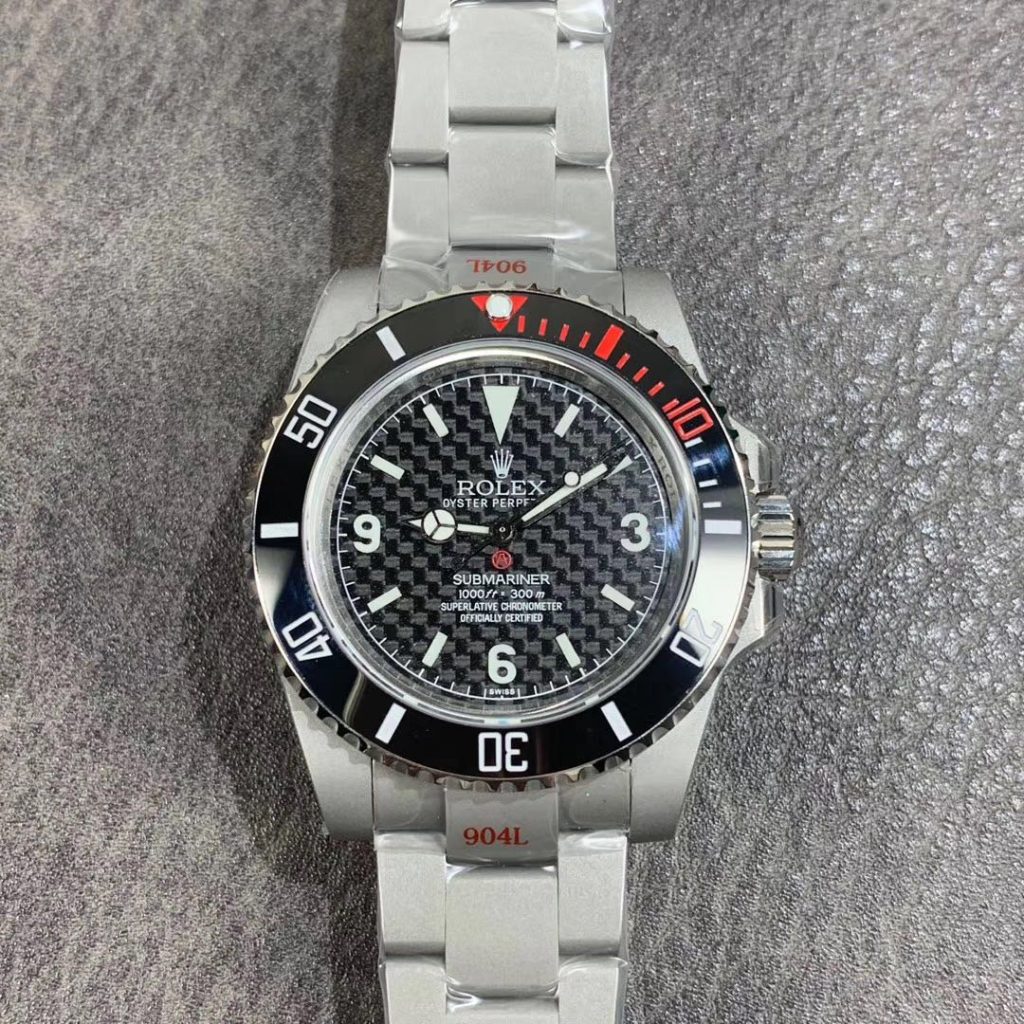
To summarize: weighted watches from factories such as GM, GS, QF, VS,Gold V4, CBD, PPM, RC, and others generally use a tungsten core covered by a stainless-steel outer layer. The basic principle is similar across the market.
The difference is mainly in cost and material proportion. Some watches use a thicker steel layer and slightly less tungsten, so they are lighter. Others use more tungsten with a thinner steel layer, making them heavier. But as long as the case construction and outer steel layer are properly made, these weighted watches are generally safe for normal wear.